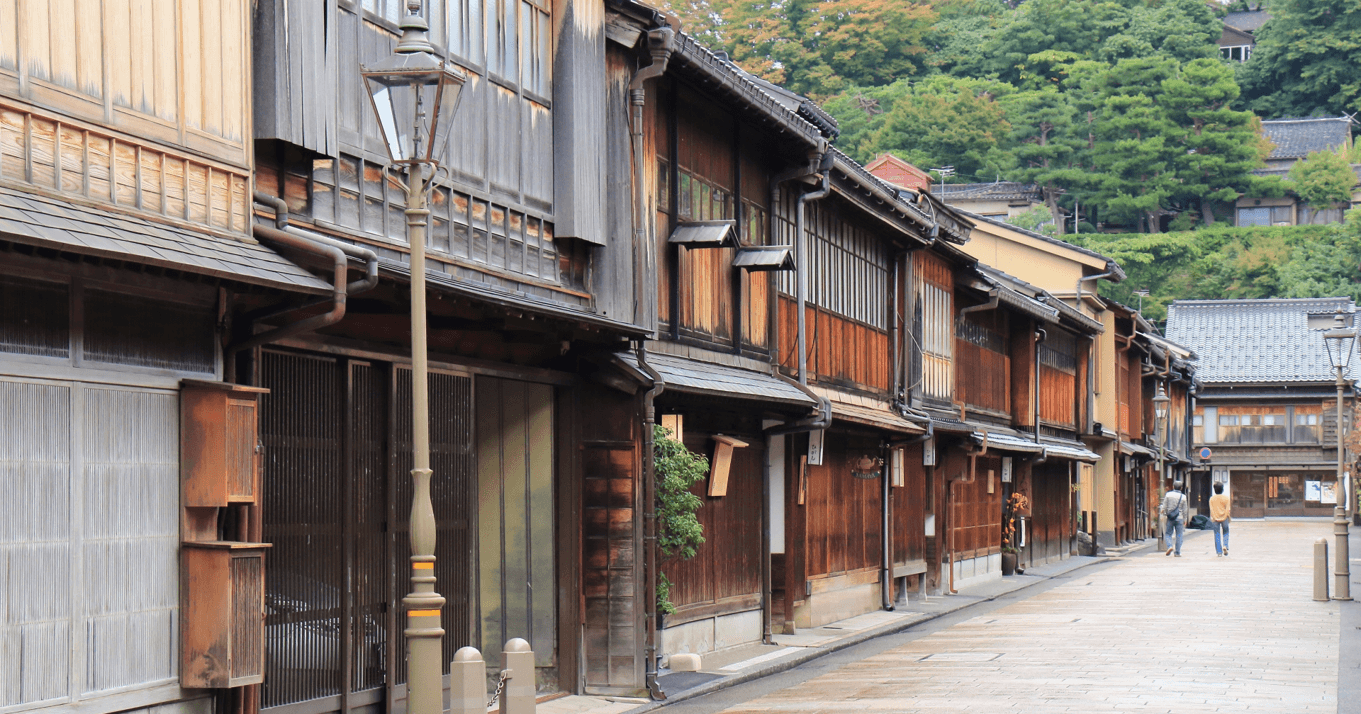
Have you ever wondered what the inside of a Japanese house looks like? Japanese houses, both traditional and modern, have unique layouts that reflect Japanese culture and lifestyle. Understanding these layouts can give you a deeper insight into Japanese daily life and values. Let’s take a peek inside! What Makes Japanese House Layouts Unique? Japanese house layouts are different from Western layouts in several ways. One key difference is the concept of space. In Japan, limited land space has led to efficient and multi-functional designs. Japanese homes often prioritize flow and flexibility over fixed room divisions. Another unique aspect is the incorporation of nature. Traditional layouts aim to bring the outside in, connecting living spaces with gardens or natural light. Key Features of Traditional Japanese House Layouts Traditional Japanese houses often feature several distinctive elements. Tatami mats are perhaps the most iconic. These woven straw mats serve as flooring and dictate room dimensions. Shoji screens, made of translucent paper and wood frames, are used as sliding doors and windows, diffusing light softly. Fusuma are opaque sliding doors that can divide or unite spaces, offering flexibility. A genkan, or entryway, is a lowered space where shoes are removed, marking the transition from outside to inside. Many traditional homes also include an engawa, a veranda-like space that connects the house to the garden. Modern Japanese Apartments: Space-Saving Design Modern Japanese apartments, especially in urban areas, often face the challenge of limited space. To overcome this, architects and designers have become masters of space-saving design. You will often ...