






2025/5/2
2025 Osaka-Kansai Expo Report (2): Tips from Entry to Exit on Expo Day
I visited the Osaka-Kansai Expo, which opened on April 13, on its fourth day (April 16), and I’m here to share the on-site conditions with you! I hope this information proves useful for anyone planning to attend. At Entry I took the train to get there, so I entered through the East Gate. Since many people head to the Expo by train, the East Gate tends to be more crowded than the West Gate. In particular, the 9:00 entry slot is almost always packed and extremely busy. I had an entry reservation for 9:00, but I arrived around 8:55 and managed to enter by about 9:30. Since there’s an airport-style baggage inspection, you should expect some waiting time. There is little shade, so if you’re visiting during the hot season, be sure to take proper heat precautions. Japanese summers can be very intense, so always prioritize your well-being. • The last car of the train (on the Osaka Metro Chuo Line) is closest to the exit at Yumeshima Station.• Gates located farther from the station tend to be less crowded with shorter lines.• Gates 21 and 23, for example, feature two X-ray baggage inspection lanes, allowing you to move through at roughly twice the speed compared to gates with just one lane, making them highly recommended.• On the Expo’s opening day, the sheer number of visitors even triggered network issues, so it’s a good idea to have a screenshot or printed copy of your QR code handy. Carrying prohibited items will delay your entry, so ...

2025/4/12
Handmade Japan: Exquisite Ceramics, Lacquer & Dyeing
Welcome to the world of Handmade Japan! When you think of Japan, you might imagine bustling cities and cutting-edge technology. But beyond the modern facade, there's a rich tradition of craftsmanship that has been passed down for generations. This article will guide you through three beautiful examples of this tradition: ceramics, lacquerware, and dyeing. These aren't just crafts; they are a way of life, reflecting the Japanese spirit and connection to nature. Prepare to be enchanted by the timeless allure of Handmade Japan. Ceramics: Unearthing the Beauty of Japanese Pottery (陶芸) Takatori-yaki (高取焼) Japanese ceramics, known as "Tougei" (陶芸), are incredibly diverse. From rustic, earthy pottery to delicate, refined porcelain, there's a style for every taste. Each region in Japan has its own unique ceramic tradition, influenced by the local clay and history. Imagine holding a warm, handmade teacup in your hands. You can feel the texture of the clay and see the subtle variations in the glaze. This isn't just a cup; it's a piece of art with a story. Exploring Japanese pottery is like taking a journey through the country's regional identities, one exquisite piece at a time. Whether you're interested in simple everyday ware or elaborate artistic creations, Japanese ceramics offer a deep appreciation for beauty in form and function. Lacquerware (漆器): Where Artistry Meets Everyday Elegance Shunkei-nuri (春慶塗) Lacquerware, or "Shikki" (漆器), is another jewel in the crown of Japanese crafts. Lacquer is a natural resin that is carefully applied in layers to wood, then polished to a lustrous finish. This ...

2025/4/11
Must-Try Tokyo Treats: Soba, Yakitori & Tempura
Tokyo is a food lover's paradise! When you visit, you'll find so many tasty dishes. Among them, soba, yakitori, and tempura are must-try foods that show the best of Tokyo's food culture. These dishes are loved by locals and visitors alike, and offer a delicious taste of Japan. Let's explore why these three are so special and how you can enjoy them in Tokyo! Dive into Tokyo's Delicious Trio: Soba, Yakitori, and Tempura Soba, yakitori, and tempura are not just meals; they are experiences. Each dish has a unique history and showcases Japanese culinary skills. Soba is about simple yet flavorful buckwheat noodles. Yakitori is about perfectly grilled chicken skewers with various seasonings. Tempura is about lightly fried, crispy seafood and vegetables. Together, they offer a range of tastes and textures that represent Tokyo's diverse food scene. Trying these three dishes will give you a fantastic introduction to Japanese cuisine. Soba Noodles: More Than Just a Slurp in Tokyo Soba (蕎麦) Soba noodles are thin buckwheat noodles, and they are a staple food in Japan. In Tokyo, soba restaurants are everywhere, from cheap standing-noodle shops to fancy places. Soba can be eaten hot or cold. Hot soba usually comes in a flavorful broth with toppings like tempura or meat. Cold soba is often served with a dipping sauce called "tsuyu." You dip the noodles into the cold sauce before eating. Many people enjoy the simple taste of soba itself. Don't be shy to slurp your soba! Slurping is a way to cool down the noodles ...

2025/4/10
Ancient Paths to Serenity: Japan's Waterfall & Valley Hikes
Japan is famous for its busy cities and rich culture. But there is another side of Japan that is waiting for you to explore. Imagine stepping away from the crowds and finding yourself surrounded by peaceful nature. Japan has many beautiful places where you can enjoy quiet hikes in valleys and discover stunning waterfalls. These hidden gems offer a chance to relax and reconnect with nature. If you are looking for a peaceful escape, come and discover the serene beauty of Japan's waterfall and valley trails. The Soothing Symphony of Waterfalls: Nature's Soundtrack in Japan's Valleys Nikobuchi (にこ淵) Close your eyes and listen to the sound of water. In Japan's valleys, you can often hear the gentle sound of waterfalls. This natural music is very calming. Waterfalls in Japan are not just beautiful to look at; they also create a peaceful atmosphere. The sound of water falling and flowing is like nature's own song. Many hiking trails in Japan will lead you to these beautiful waterfalls. Walking through the valleys and listening to the waterfalls is a wonderful way to relax and feel connected to nature. It’s like nature is playing a soothing song just for you. Walking the Ancient Paths: Step Back in Time on Japan's Historic Trails When you hike in Japanese valleys, you are often walking on paths that have been used for centuries. Some of these trails are very old and were used by people long ago. Imagine walking where ancient travelers, monks, and villagers once walked. These historic trails offer ...

2025/5/2
Calligraphy Secrets: Ink, Brush, & Washi in Japan
Hello! Have you ever seen Japanese calligraphy, or "Shodo"? It might look like just writing at first glance. But in Japan, Shodo is much more than that. It's a beautiful art form with a long history. It's like painting with words, using special tools and techniques. Come explore the fascinating world of Shodo with us and see why it's such a respected art in Japan. Unveiling Shodo: What Makes Japanese Calligraphy Unique? What makes Shodo different from just writing or even Western calligraphy? It's about capturing the spirit and energy in each stroke. Japanese calligraphy focuses on expressing yourself through the brush. It's not just about making letters look neat. Things like the balance of the whole piece, the flow of the ink, and even the white spaces around the characters are very important. Shodo is a way to show your inner self through writing. The Magic of Sumi Ink: Black Ink, Infinite Shades https://youtu.be/xGtdhwaCXFY?si=EjntHZSkuL7l8x_3 How to use an inkstone (硯) Sumi ink is essential for Shodo. It's traditionally made from soot, often from burning pine or oil. You don't just buy it in a bottle ready to use. Usually, you grind a solid ink stick with water on an inkstone to make liquid ink. This process itself is a calming part of calligraphy. What's amazing about Sumi ink is that even though it's black, it can create many different shades, from deep black to light gray, depending on how much water you use and how you apply the brush. This gives calligraphy depth and ...
2025/5/26
2025 Osaka-Kansai Expo Report (1): Pre-Visit Preparation Tips
The Osaka-Kansai Expo kicked off on April 13, and I visited on the fourth day, April 16! Although some pavilions were still under construction, I enjoyed the event from morning until night. In this article, I’ll share some essential tips on preparing for your visit to the expo. This year’s expo is highly digitized and many have commented that it can be rather complex, so I hope these tips will prove helpful for those planning a visit! What is the Osaka-Kansai Expo? This global event, which traces its origins back to the 1851 London Exposition, brings together nations from around the world to share their culture, science, technology, and visions for the future. After EXPO 2020 Dubai was held in 2021, this marks the first expo in four years – hosted on Yumeshima, an artificial island in Osaka Prefecture, Japan. Expo Name Expo 2025 Osaka, Kansai, Japan Official Website Dates 2025/4/13 ~ 2025/10/13 (184 days) Venue Yumeshima, Osaka Bay Nearest Station Yumeshima (夢洲) Station (Osaka Metro Chuo Line) Main Theme Designing Future Society for Our Lives Participating Countries, Regions, & Organizations 158 countries and regions, 7 international organizations Official Website https://www.expo2025.or.jp/en/ Access Information EXPO 2025 Official Website You can reach the venue, Yumeshima, by shuttle bus, train (Osaka Metro Chuo Line), or bicycle. Please note that you cannot drive directly to Yumeshima with your private vehicle – you must park at a designated lot and then use a shuttle bus or other transit. While no reservation is needed for the train, shuttle bus reservations are ...

2025/4/8
Japan's Zen Temple Secrets: Shukubo & Zazen Await!
Japan is known for its beautiful temples, but Zen temples offer something truly special. They are places where you can find peace and learn about yourself. Zen Buddhism is a practice that focuses on meditation and mindfulness. Zen temples in Japan are not just for monks; they are open to everyone who wants to explore this philosophy. Visiting a Zen temple can be a wonderful way to experience Japanese culture and find a calm space away from the busy city life. In this article, we will introduce you to the world of Zen temples, especially the unique experience of Shukubo (temple lodging) and Zazen (Zen meditation). Shukubo: Your Gateway to Zen Temple Life in Japan Nanzen-ji (南禅寺) Imagine waking up to the peaceful sounds of nature in a traditional Japanese temple. Shukubo is a special type of accommodation offered at shrine or temples. It allows you to stay overnight within the temple grounds. This is more than just a place to sleep. Shukubo is an opportunity to experience the daily life of a Zen temple. You can participate in morning prayers, eat vegetarian Buddhist cuisine (Shojin Ryori), and explore the serene temple gardens. Staying in a Shukubo gives you a unique insight into Japanese spirituality and culture that you cannot get from a regular hotel. It's a chance to slow down, reflect, and connect with yourself in a peaceful environment. Many temples offer Shukubo to international visitors, making it easier to experience this special tradition. Zazen Meditation for Beginners: Finding Inner Peace in a Japanese ...

2025/4/23
Sencha & Hojicha: Find Your Perfect Japanese Tea Flavor!
Welcome to the world of Japanese tea! If you're exploring Japanese drinks, you'll quickly encounter green tea. But did you know there are many kinds of Japanese green tea? Two popular types are Sencha and Hojicha. Both are delicious and offer unique experiences. Let's dive into the flavors of Sencha and Hojicha and find your perfect cup! What is Sencha? Exploring the Fresh and Grassy Flavors of Japan's Most Popular Green Tea Sencha (煎茶) Sencha is the most common type of green tea in Japan. When Japanese people think of green tea, they often think of Sencha. It's made from tea leaves that are steamed soon after they are picked. This steaming process gives Sencha its bright green color and fresh, grassy flavor. Imagine the smell of fresh cut grass, with a hint of sweetness and a little bit of bitterness. That's Sencha! It’s a refreshing and invigorating drink that many Japanese people enjoy every day. You can drink it hot or cold, making it perfect for any season. Hojicha: Discover the Warmth and Roasted Aroma of Japanese Roasted Green Tea Hojicha (ほうじ茶) Hojicha is another type of Japanese green tea, but it’s very different from Sencha. Hojicha refers to a type of tea made by roasting green tea leaves. This roasting process changes the tea leaves' color from green to reddish-brown. It also gives Hojicha a unique roasted aroma and a toasty, nutty flavor. Think of the comforting smell of roasted nuts or coffee. Hojicha has a warm and mellow taste, with almost no ...

2025/4/7
Uncover Japan Stage Secrets: Kabuki, Noh, & Kyogen
Japan has many kinds of traditional performing arts. Among them, Kabuki, Noh, and Kyogen are very famous and have been loved by Japanese people for a long time. These are not just performances; they are a deep part of Japanese culture and history. Let's explore the fascinating world of Japanese stage arts together. Unmasking Kabuki: The Glamorous World of Japanese Theater Kabuki (歌舞伎) Kabuki is known for its flashy costumes, dramatic makeup called "kesho," and dynamic stories that often involve bushi love stories, or historical events. It's like a Japanese opera with singing, dancing called "mai," and acting all combined in a spectacular way. Kabuki actors, especially those playing female roles (onnagata), spend years perfecting their art and are highly skilled and admired for their graceful movements and expressive performances. The stage is often colorful and exciting, with revolving stages and trap doors, making it a visually stunning and theatrical experience. Noh Theater: A Journey into the Soul of Japanese Drama Noh (能) Noh is different from Kabuki and is considered one of the oldest forms of Japanese theater. It's more quiet and focuses on expressing subtle emotions and inner feelings through symbolic movements and chanting. Noh masks are very important and are carefully crafted pieces of art. They are used by actors to show different characters, ages, and emotions, and even a slight tilt of the head can change the mask's expression. The movements in Noh are slow and graceful, refined over centuries, and the stories are often based on Japanese myths, legends, and ...

2025/4/6
Handmade Japan: Artisan Crafts for Unforgettable Travel Memories
When you travel to Japan, you'll want to bring back some memories. Souvenirs are a great way to remember your trip. But instead of just buying something mass-produced, how about finding something truly special? Handmade crafts from Japan are perfect for this. They are unique, beautiful, and tell a story about the place you visited. This article will show you why Japanese handmade crafts are the best souvenirs and how you can find them. Why Handmade Crafts are the Best Travel Souvenirs from Japan Washi (和紙) Mass-produced souvenirs are easy to find. You see them everywhere. But handmade crafts are different. Each piece is made with care and skill by an artisan. They put their heart into their work. When you buy a handmade craft, you're not just buying an object. You're taking home a piece of Japanese culture and history. These crafts often use local materials and traditional techniques. They reflect the spirit of the region where they are made. Plus, handmade items are more personal. They have a warmth and character that factory-made goods just can't match. Imagine having a souvenir that is unlike anything anyone else has. That's the beauty of handmade Japanese crafts. Immerse Yourself in Regional Craftsmanship: Discover Local Craft Experiences One of the best ways to find handmade crafts is to visit local craft workshops or studios. Many regions in Japan are famous for specific crafts. For example, Kyoto is known for pottery and textiles. Kanazawa is famous for gold leaf crafts. Okinawa has beautiful Ryukyu glass (琉球ガラス). In ...

2025/4/6
Fall in Love: Japan's Best Autumn Leaves Spots
Have you ever imagined a world painted in fiery reds, vibrant oranges, and sunny yellows? That's autumn in Japan, or "koyo" as we call it. It’s a truly magical time when nature puts on a dazzling show. Many people visit Japan in spring for cherry blossoms, but autumn leaves are just as beautiful, and maybe even more breathtaking for some. Imagine walking through a temple garden with maple trees turning crimson all around you. Or picture hiking a mountain trail surrounded by golden leaves. These are the kinds of experiences that await you in Japan during autumn. Get ready to fall in love with Japan's autumn leaves. They are an unforgettable sight. Unveiling Japan's Must-See Autumn Leaves Spots: From Iconic to Hidden Gems Kiyomizu-dera (清水寺) Japan is full of amazing places to see autumn leaves. Some spots are very famous and attract many visitors, while others are quieter and known only to locals. Let's start with some iconic locations. Kyoto is a classic choice. Kiyomizu-dera Temple and Arashiyama are especially beautiful during autumn. In Tokyo, Rikugien Garden and Mount Takao are popular. These places offer stunning views and are easy to access. But if you want to explore beyond the well-trodden path, try places like Hakone, famous for its volcanic hot springs and views of Mount Fuji with autumn colors. Or visit Nikko National Park, a bit further from Tokyo, but worth the trip for its breathtaking natural beauty and historical shrines surrounded by colorful trees. Whether you choose a famous spot or a hidden ...

2025/4/3
Discover Spiritual Japan: Gardens, Temples, and Shrines
Japan is known for its beautiful nature and unique culture. Many people visit Japan to see famous places like Mt. Fuji and Tokyo. But there's another side of Japan that's deeply spiritual. This is found in its serene gardens, tranquil temples, and sacred shrines. These places offer a chance to step away from the busy world. You can find peace and connect with Japanese spirituality there. Finding Peace in Japanese Gardens: More Than Just Green Spaces Ryoanji (龍安寺) Japanese gardens are not just pretty parks. They are carefully designed spaces for meditation and reflection. Each element in a Japanese garden has a meaning. Rocks can represent mountains, and ponds can represent oceans. Walking through a garden, you might notice small details like the sound of water or the way sunlight filters through the trees. These sensory experiences are designed to calm your mind. Gardens like Kenrokuen in Kanazawa and Ryoanji Temple's rock garden in Kyoto are famous examples. They show how nature can be arranged to inspire peace and contemplation. Temples of Tranquility: Exploring Japan's Sacred Buddhist Sites Kiyomizu-dera (清水寺) Temples in Japan are often located in quiet, natural settings. They are places of worship for Buddhism, which came to Japan many centuries ago. Temples are not just historical sites; they are active centers for spiritual practice. When you visit a temple, you might see people praying or monks performing rituals. Places like Todaiji in Nara, with its giant Buddha statue, and Kiyomizu-dera in Kyoto, with its wooden stage, are very impressive. Spending time in ...
2025/4/12
Handmade Japan: Exquisite Ceramics, Lacquer & Dyeing
Welcome to the world of Handmade Japan! When you think of Japan, you might imagine bustling cities and cutting-edge technology. But beyond the modern facade, there's a rich tradition of craftsmanship that has been passed down for generations. This article will guide you through three beautiful examples of this tradition: ceramics, lacquerware, and dyeing. These aren't just crafts; they are a way of life, reflecting the Japanese spirit and connection to nature. Prepare to be enchanted by the timeless allure of Handmade Japan. Ceramics: Unearthing the Beauty of Japanese Pottery (陶芸) Takatori-yaki (高取焼) Japanese ceramics, known as "Tougei" (陶芸), are incredibly diverse. From rustic, earthy pottery to delicate, refined porcelain, there's a style for every taste. Each region in Japan has its own unique ceramic tradition, influenced by the local clay and history. Imagine holding a warm, handmade teacup in your hands. You can feel the texture of the clay and see the subtle variations in the glaze. This isn't just a cup; it's a piece of art with a story. Exploring Japanese pottery is like taking a journey through the country's regional identities, one exquisite piece at a time. Whether you're interested in simple everyday ware or elaborate artistic creations, Japanese ceramics offer a deep appreciation for beauty in form and function. Lacquerware (漆器): Where Artistry Meets Everyday Elegance Shunkei-nuri (春慶塗) Lacquerware, or "Shikki" (漆器), is another jewel in the crown of Japanese crafts. Lacquer is a natural resin that is carefully applied in layers to wood, then polished to a lustrous finish. This ...
2025/5/2
Calligraphy Secrets: Ink, Brush, & Washi in Japan
Hello! Have you ever seen Japanese calligraphy, or "Shodo"? It might look like just writing at first glance. But in Japan, Shodo is much more than that. It's a beautiful art form with a long history. It's like painting with words, using special tools and techniques. Come explore the fascinating world of Shodo with us and see why it's such a respected art in Japan. Unveiling Shodo: What Makes Japanese Calligraphy Unique? What makes Shodo different from just writing or even Western calligraphy? It's about capturing the spirit and energy in each stroke. Japanese calligraphy focuses on expressing yourself through the brush. It's not just about making letters look neat. Things like the balance of the whole piece, the flow of the ink, and even the white spaces around the characters are very important. Shodo is a way to show your inner self through writing. The Magic of Sumi Ink: Black Ink, Infinite Shades https://youtu.be/xGtdhwaCXFY?si=EjntHZSkuL7l8x_3 How to use an inkstone (硯) Sumi ink is essential for Shodo. It's traditionally made from soot, often from burning pine or oil. You don't just buy it in a bottle ready to use. Usually, you grind a solid ink stick with water on an inkstone to make liquid ink. This process itself is a calming part of calligraphy. What's amazing about Sumi ink is that even though it's black, it can create many different shades, from deep black to light gray, depending on how much water you use and how you apply the brush. This gives calligraphy depth and ...
2025/4/8
Japan's Zen Temple Secrets: Shukubo & Zazen Await!
Japan is known for its beautiful temples, but Zen temples offer something truly special. They are places where you can find peace and learn about yourself. Zen Buddhism is a practice that focuses on meditation and mindfulness. Zen temples in Japan are not just for monks; they are open to everyone who wants to explore this philosophy. Visiting a Zen temple can be a wonderful way to experience Japanese culture and find a calm space away from the busy city life. In this article, we will introduce you to the world of Zen temples, especially the unique experience of Shukubo (temple lodging) and Zazen (Zen meditation). Shukubo: Your Gateway to Zen Temple Life in Japan Nanzen-ji (南禅寺) Imagine waking up to the peaceful sounds of nature in a traditional Japanese temple. Shukubo is a special type of accommodation offered at shrine or temples. It allows you to stay overnight within the temple grounds. This is more than just a place to sleep. Shukubo is an opportunity to experience the daily life of a Zen temple. You can participate in morning prayers, eat vegetarian Buddhist cuisine (Shojin Ryori), and explore the serene temple gardens. Staying in a Shukubo gives you a unique insight into Japanese spirituality and culture that you cannot get from a regular hotel. It's a chance to slow down, reflect, and connect with yourself in a peaceful environment. Many temples offer Shukubo to international visitors, making it easier to experience this special tradition. Zazen Meditation for Beginners: Finding Inner Peace in a Japanese ...
2025/4/23
Sencha & Hojicha: Find Your Perfect Japanese Tea Flavor!
Welcome to the world of Japanese tea! If you're exploring Japanese drinks, you'll quickly encounter green tea. But did you know there are many kinds of Japanese green tea? Two popular types are Sencha and Hojicha. Both are delicious and offer unique experiences. Let's dive into the flavors of Sencha and Hojicha and find your perfect cup! What is Sencha? Exploring the Fresh and Grassy Flavors of Japan's Most Popular Green Tea Sencha (煎茶) Sencha is the most common type of green tea in Japan. When Japanese people think of green tea, they often think of Sencha. It's made from tea leaves that are steamed soon after they are picked. This steaming process gives Sencha its bright green color and fresh, grassy flavor. Imagine the smell of fresh cut grass, with a hint of sweetness and a little bit of bitterness. That's Sencha! It’s a refreshing and invigorating drink that many Japanese people enjoy every day. You can drink it hot or cold, making it perfect for any season. Hojicha: Discover the Warmth and Roasted Aroma of Japanese Roasted Green Tea Hojicha (ほうじ茶) Hojicha is another type of Japanese green tea, but it’s very different from Sencha. Hojicha refers to a type of tea made by roasting green tea leaves. This roasting process changes the tea leaves' color from green to reddish-brown. It also gives Hojicha a unique roasted aroma and a toasty, nutty flavor. Think of the comforting smell of roasted nuts or coffee. Hojicha has a warm and mellow taste, with almost no ...
2025/4/7
Uncover Japan Stage Secrets: Kabuki, Noh, & Kyogen
Japan has many kinds of traditional performing arts. Among them, Kabuki, Noh, and Kyogen are very famous and have been loved by Japanese people for a long time. These are not just performances; they are a deep part of Japanese culture and history. Let's explore the fascinating world of Japanese stage arts together. Unmasking Kabuki: The Glamorous World of Japanese Theater Kabuki (歌舞伎) Kabuki is known for its flashy costumes, dramatic makeup called "kesho," and dynamic stories that often involve bushi love stories, or historical events. It's like a Japanese opera with singing, dancing called "mai," and acting all combined in a spectacular way. Kabuki actors, especially those playing female roles (onnagata), spend years perfecting their art and are highly skilled and admired for their graceful movements and expressive performances. The stage is often colorful and exciting, with revolving stages and trap doors, making it a visually stunning and theatrical experience. Noh Theater: A Journey into the Soul of Japanese Drama Noh (能) Noh is different from Kabuki and is considered one of the oldest forms of Japanese theater. It's more quiet and focuses on expressing subtle emotions and inner feelings through symbolic movements and chanting. Noh masks are very important and are carefully crafted pieces of art. They are used by actors to show different characters, ages, and emotions, and even a slight tilt of the head can change the mask's expression. The movements in Noh are slow and graceful, refined over centuries, and the stories are often based on Japanese myths, legends, and ...
2025/4/6
Handmade Japan: Artisan Crafts for Unforgettable Travel Memories
When you travel to Japan, you'll want to bring back some memories. Souvenirs are a great way to remember your trip. But instead of just buying something mass-produced, how about finding something truly special? Handmade crafts from Japan are perfect for this. They are unique, beautiful, and tell a story about the place you visited. This article will show you why Japanese handmade crafts are the best souvenirs and how you can find them. Why Handmade Crafts are the Best Travel Souvenirs from Japan Washi (和紙) Mass-produced souvenirs are easy to find. You see them everywhere. But handmade crafts are different. Each piece is made with care and skill by an artisan. They put their heart into their work. When you buy a handmade craft, you're not just buying an object. You're taking home a piece of Japanese culture and history. These crafts often use local materials and traditional techniques. They reflect the spirit of the region where they are made. Plus, handmade items are more personal. They have a warmth and character that factory-made goods just can't match. Imagine having a souvenir that is unlike anything anyone else has. That's the beauty of handmade Japanese crafts. Immerse Yourself in Regional Craftsmanship: Discover Local Craft Experiences One of the best ways to find handmade crafts is to visit local craft workshops or studios. Many regions in Japan are famous for specific crafts. For example, Kyoto is known for pottery and textiles. Kanazawa is famous for gold leaf crafts. Okinawa has beautiful Ryukyu glass (琉球ガラス). In ...

2025/4/1
Fall in Love with Japan: Harajuku, Fuji & Crafts Await!
Japan is a captivating country that blends tradition with modernity, creating a unique travel experience. For many, visiting Japan is a dream come true, filled with visions of bustling cities, serene temples, and breathtaking landscapes. This article is your gateway to discovering some of the most enchanting aspects of Japan, focusing on three key elements: the vibrant and trendy Harajuku, the iconic and majestic Mount Fuji, and the exquisite world of Japanese traditional crafts. Prepare to embark on a journey that will ignite your senses and make you fall in love with Japan. Harajuku Unveiled: More Than Just Trendy Fashion & Kawaii Culture Harajuku is globally recognized as a hub of youth fashion and kawaii culture. It's true that the area bursts with colorful street styles and unique fashion boutiques. However, Harajuku is more than just a fashion hotspot. It's a neighborhood that beautifully balances the ultra-modern with pockets of tranquility and tradition. Takeshita Street is the energetic heart of Harajuku, famous for its quirky shops and crepe stands. Just a short walk away, you can find the peaceful Meiji Jingu Shrine, a green oasis dedicated to Emperor Meiji and Empress Shoken. Exploring Harajuku means experiencing the dynamic energy of Tokyo youth culture alongside moments of serene reflection in traditional settings. Mount Fuji: Witnessing Japan's Iconic Beauty and Spiritual Power Mount Fuji is arguably Japan's most iconic symbol. As the country's tallest peak, its majestic and perfectly symmetrical cone shape has been celebrated in art and literature for centuries. For the Japanese people, Mount Fuji, ...
2025/3/30
Time-Slip to Edo Japan: Explore Castle Towns & Samurai Homes
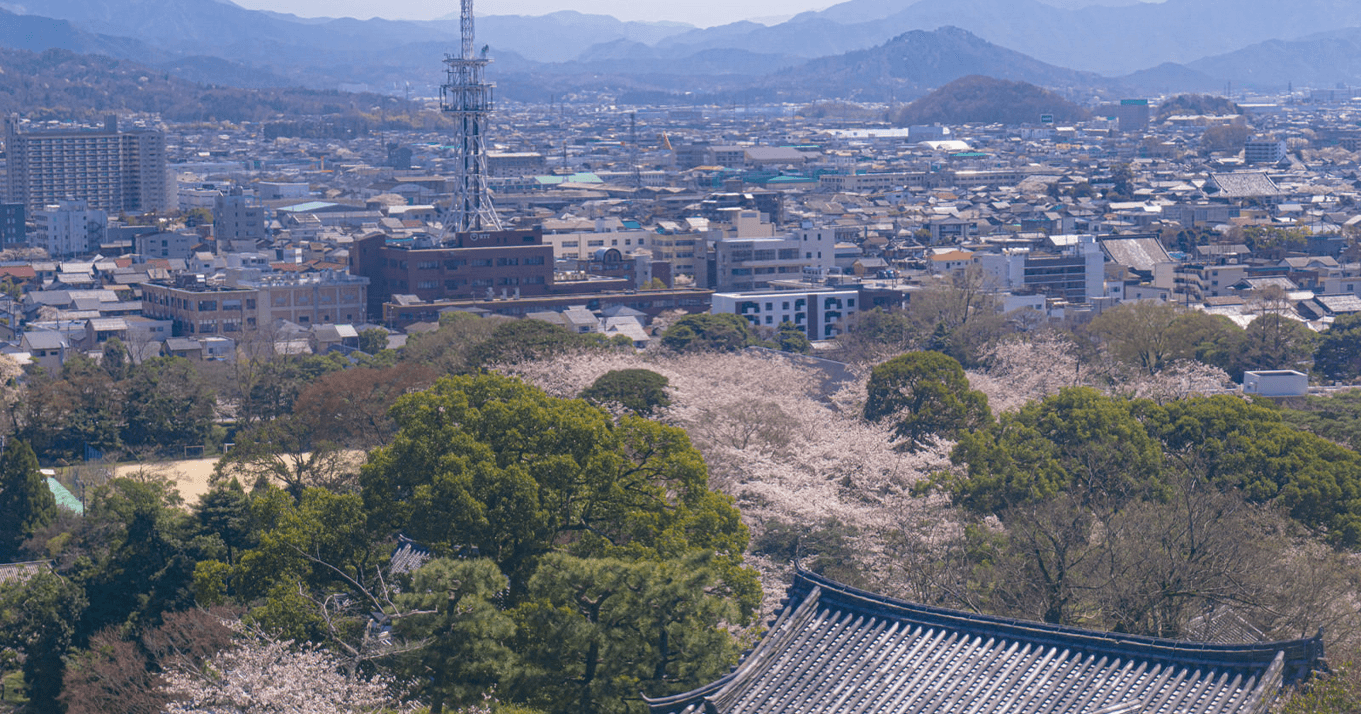
Imagine stepping back in time. Picture yourself in Japan during the Edo period (1603-1868). This era was ruled by samurai and shoguns. It was a time of unique culture and tradition. One of the best ways to experience this history is by visiting castle towns and samurai residences. These places are like time capsules. They transport you to the heart of old Japan. Let's explore the fascinating world of Edo Japan together. Unveiling the Secrets of Japanese Castle Towns Castle towns, or "jokamachi," developed around Japanese castles. These towns were not just military bases. They were centers of politics, economy, and culture. The castle was the symbol of power. Samurai and merchants lived in the town surrounding it. Streets were often laid out strategically. This design was for defense and control. Walking through a castle town, you can feel the history in the air. You can see how life unfolded around the castle. Explore the layout and imagine the bustling life of the past. Top Castle Towns You Can't Miss in Japan Several castle towns in Japan are exceptionally well-preserved. Kanazawa is famous for its Nagamachi samurai district. Hagi retains a traditional atmosphere with its intact castle town layout and samurai residences. Takayama, in the mountains, offers a charming old town with well-preserved Edo-era streets. Matsumoto is known for its stunning black castle and surrounding town. Each town has unique characteristics. Visiting these towns is like stepping directly into Japanese history. Discover the unique charm of each castle town. Exploring Samurai Residences: A Glimpse into ...

2025/3/30
Ramen Yatai Adventure: Ultimate Japan Street Food Walk
Japan is famous for its delicious food, and ramen is one of the most popular dishes. You can enjoy ramen in many restaurants, but have you ever tried ramen at a "yatai"? Yatai are small, mobile food stalls that come to life at night, offering a vibrant and unique dining experience. While some in tourist areas might be stationary, they retain their charm and appeal. Imagine walking through a lively Japanese street and finding a cozy yatai serving hot, flavorful ramen. This is not just a meal; it's an adventure! In this article, we'll guide you through the wonderful world of ramen yatai, so you can experience this special part of Japanese street food culture. Unveiling the Magic of Yatai: What is Ramen Yatai? Yatai are essentially mobile food stalls. They are a long-standing part of Japanese street food culture, especially popular at festivals and outdoor events. Among various types of yatai, ramen yatai are particularly loved. These stalls typically consist of a small counter and a few seats, creating an intimate and friendly atmosphere. The chefs cook right in front of you, and you can enjoy freshly made ramen outdoors. It’s a very different experience from eating in a restaurant. The charm of ramen yatai lies in its casual, outdoor setting and the close interaction with the chef and other customers. Why Ramen Yatai is a Must-Try for Your Japan Street Food Walk Trying ramen yatai is highly recommended when you are exploring Japanese street food. First, the ramen itself is often exceptional. Yatai ...

2025/3/30
Sakura & Hanami: Experience Japan's Spring Blossom Magic
Spring in Japan is a truly special time, and it's strongly connected with cherry blossoms, or "Sakura" in Japanese. These delicate pink flowers bloom all over the country, turning parks and streets into breathtaking landscapes. Sakura is not just a flower; it represents the arrival of spring and the beauty of nature in Japan. Along with Sakura, there is a cherished custom called "Hanami." Hanami is the tradition of enjoying the beauty of cherry blossoms. People gather with family and friends under the Sakura trees to have picnics, parties, and simply relax and appreciate the fleeting beauty of the flowers. Sakura and Hanami are essential parts of Japanese culture and offer a unique experience for anyone visiting Japan in spring. Unveiling Sakura & Hanami: Japan's Enchanting Spring Ritual Sakura, or cherry blossoms, are more than just pretty flowers in Japan. They have a deep cultural meaning. Sakura symbolize the beauty and fragility of life, as their blooming period is very short. Japanese people have admired Sakura for centuries, and the flowers are often featured in art, poetry, and literature. Hanami is a custom that dates back hundreds of years. It started among nobles in the Nara Period (710-794) and later spread to samurai and common people in the Edo Period (1603-1868). Originally, Hanami was associated with plum blossoms, but it shifted to cherry blossoms during the Heian Period (794-1185). Hanami is not just about looking at flowers; it's about celebrating spring, spending time with loved ones, and feeling connected to nature. It’s a time to ...

2025/3/30
Sento: Experience Japanese Community Baths
Have you ever wanted to experience a unique part of Japanese culture? If so, visiting a “Sento” is a great idea! Sento are traditional Japanese public bathhouses where people can relax and refresh themselves. It’s more than just a place to get clean; it’s a social hub and a window into Japanese daily life. Let's explore the world of Sento and discover why they are so special. What Exactly is Sento: Unveiling Japanese Public Baths Sento are public bathhouses found throughout Japan. Natural hot spring water may be used in some cases, but it is more common to boil regular water. For many years, most Japanese homes did not have their own baths, so Sento were essential for daily hygiene. Today, even with baths in most homes, Sento remain popular. They offer a spacious and relaxing bathing experience that is different from bathing at home. You can often find different kinds of baths, like hot baths, cold baths, and even saunas in one Sento. A Journey Through Time: The History and Culture of Sento The history of Sento dates back centuries. They became popular during the Edo period (1603-1868). At that time, Sento were not just places to bathe, but also important social spaces. People gathered at Sento to chat, share news, and build community. Sento often became the center of neighborhoods. Even now, this sense of community remains a vital part of Sento culture. Visiting a Sento is like stepping back in time and experiencing a long-held Japanese tradition. Your Sento Adventure: A Step-by-Step ...

2025/3/30
Japan Anime Pilgrimage: Find Your Anime in Real Life
Japan, the birthplace of anime, is also the sacred place for anime fans. In recent years, "Anime Pilgrimage" has become popular among foreign tourists. Anime Pilgrimage is to visit real-world locations that are featured in anime. These locations are called "Holy Land" by anime fans. Let's explore the world of anime by visiting the Holy Land in Japan! What is Anime Pilgrimage? Anime Pilgrimage, also known as "Holy Land Pilgrimage," is a unique way to enjoy anime. Fans visit real-world locations that inspired or were featured in their favorite anime. These locations can be anything from famous landmarks to ordinary streets and parks. By visiting these places, fans can immerse themselves in the world of anime and experience it in a tangible way. It's like stepping into the anime itself! Why Anime Pilgrimage is Popular? There are several reasons why Anime Pilgrimage has become so popular. First, it offers a deeper connection with anime. Fans can feel a stronger bond with their favorite stories by seeing the places that inspired them. Second, it's a chance to explore Japan from a unique perspective. You can discover beautiful scenery and local culture through the lens of anime. Finally, it's simply fun! Searching for locations and recreating anime scenes can be an exciting and rewarding experience. Must-Visit Anime Pilgrimage Spots in Japan Japan has countless Anime Pilgrimage spots all over the country. Here are a few must-visit locations for anime fans: Tokyo: Akihabara: Known as "Anime Town," Akihabara is full of anime stores, arcades, and themed cafes. It's ...
2025/4/11
Must-Try Tokyo Treats: Soba, Yakitori & Tempura
Tokyo is a food lover's paradise! When you visit, you'll find so many tasty dishes. Among them, soba, yakitori, and tempura are must-try foods that show the best of Tokyo's food culture. These dishes are loved by locals and visitors alike, and offer a delicious taste of Japan. Let's explore why these three are so special and how you can enjoy them in Tokyo! Dive into Tokyo's Delicious Trio: Soba, Yakitori, and Tempura Soba, yakitori, and tempura are not just meals; they are experiences. Each dish has a unique history and showcases Japanese culinary skills. Soba is about simple yet flavorful buckwheat noodles. Yakitori is about perfectly grilled chicken skewers with various seasonings. Tempura is about lightly fried, crispy seafood and vegetables. Together, they offer a range of tastes and textures that represent Tokyo's diverse food scene. Trying these three dishes will give you a fantastic introduction to Japanese cuisine. Soba Noodles: More Than Just a Slurp in Tokyo Soba (蕎麦) Soba noodles are thin buckwheat noodles, and they are a staple food in Japan. In Tokyo, soba restaurants are everywhere, from cheap standing-noodle shops to fancy places. Soba can be eaten hot or cold. Hot soba usually comes in a flavorful broth with toppings like tempura or meat. Cold soba is often served with a dipping sauce called "tsuyu." You dip the noodles into the cold sauce before eating. Many people enjoy the simple taste of soba itself. Don't be shy to slurp your soba! Slurping is a way to cool down the noodles ...
2025/4/23
Sencha & Hojicha: Find Your Perfect Japanese Tea Flavor!
Welcome to the world of Japanese tea! If you're exploring Japanese drinks, you'll quickly encounter green tea. But did you know there are many kinds of Japanese green tea? Two popular types are Sencha and Hojicha. Both are delicious and offer unique experiences. Let's dive into the flavors of Sencha and Hojicha and find your perfect cup! What is Sencha? Exploring the Fresh and Grassy Flavors of Japan's Most Popular Green Tea Sencha (煎茶) Sencha is the most common type of green tea in Japan. When Japanese people think of green tea, they often think of Sencha. It's made from tea leaves that are steamed soon after they are picked. This steaming process gives Sencha its bright green color and fresh, grassy flavor. Imagine the smell of fresh cut grass, with a hint of sweetness and a little bit of bitterness. That's Sencha! It’s a refreshing and invigorating drink that many Japanese people enjoy every day. You can drink it hot or cold, making it perfect for any season. Hojicha: Discover the Warmth and Roasted Aroma of Japanese Roasted Green Tea Hojicha (ほうじ茶) Hojicha is another type of Japanese green tea, but it’s very different from Sencha. Hojicha refers to a type of tea made by roasting green tea leaves. This roasting process changes the tea leaves' color from green to reddish-brown. It also gives Hojicha a unique roasted aroma and a toasty, nutty flavor. Think of the comforting smell of roasted nuts or coffee. Hojicha has a warm and mellow taste, with almost no ...

2025/3/31
Your Must-Buy Japan Souvenirs: Ultimate Shopping Guide
Welcome to Japan, a land of rich culture, stunning landscapes, and, of course, amazing souvenirs! When you visit Japan, finding the perfect memento to remember your trip is a must. Japanese souvenirs are not just items; they are pieces of Japanese culture and craftsmanship that you can take home with you. Unveiling the Treasure Trove: Why Japanese Souvenirs are a Must-Buy for Travelers Japanese souvenirs are special for many reasons. First, the quality is often very high. Japanese artisans take pride in their work, whether it’s making delicate sweets or carefully crafting traditional items. Second, there is so much variety! You can find something that suits everyone, from cute character goods to elegant traditional crafts. Finally, buying souvenirs is a fun way to experience Japanese culture. Exploring local shops and markets is part of the joy of traveling in Japan. Must-Buy Japanese Snacks and Sweets: A Delicious Souvenir Shopping Spree Japanese snacks and sweets, or “okashi,” are incredibly popular souvenirs. They are delicious, beautifully packaged, and represent the unique flavors of Japan. Consider these treats for your souvenir list: KitKat (various Japanese flavors): You can find KitKat in flavors like matcha, roasted green tea, and even sake. Some of these unique flavors are exclusive to Japan, making them delightful gifts. Royce' Chocolate: Especially their Nama Chocolate, which is incredibly smooth and rich. It’s a melt-in-your-mouth experience. Tokyo Banana: A soft sponge cake filled with banana custard cream. It’s a classic Tokyo souvenir and loved by many. Shiroi Koibito: “White Lover” cookies from Hokkaido. These delicate ...
2025/3/30
Ramen Yatai Adventure: Ultimate Japan Street Food Walk
Japan is famous for its delicious food, and ramen is one of the most popular dishes. You can enjoy ramen in many restaurants, but have you ever tried ramen at a "yatai"? Yatai are small, mobile food stalls that come to life at night, offering a vibrant and unique dining experience. While some in tourist areas might be stationary, they retain their charm and appeal. Imagine walking through a lively Japanese street and finding a cozy yatai serving hot, flavorful ramen. This is not just a meal; it's an adventure! In this article, we'll guide you through the wonderful world of ramen yatai, so you can experience this special part of Japanese street food culture. Unveiling the Magic of Yatai: What is Ramen Yatai? Yatai are essentially mobile food stalls. They are a long-standing part of Japanese street food culture, especially popular at festivals and outdoor events. Among various types of yatai, ramen yatai are particularly loved. These stalls typically consist of a small counter and a few seats, creating an intimate and friendly atmosphere. The chefs cook right in front of you, and you can enjoy freshly made ramen outdoors. It’s a very different experience from eating in a restaurant. The charm of ramen yatai lies in its casual, outdoor setting and the close interaction with the chef and other customers. Why Ramen Yatai is a Must-Try for Your Japan Street Food Walk Trying ramen yatai is highly recommended when you are exploring Japanese street food. First, the ramen itself is often exceptional. Yatai ...

2025/3/29
Eki-ben Secrets: Unveiling Japan's Station Gourmet
Have you ever traveled by train in Japan? If so, you might have seen or heard about "Eki-ben". Eki-ben is a very popular food in Japan. It’s a type of boxed lunch sold at train stations. For many Japanese people, and increasingly for tourists, Eki-ben is more than just a meal. It's a taste of local culture and a fun part of the train journey. What is "Eki-ben"? - A Unique Japanese Food Culture The word "Eki-ben" is short for "Eki-bento". "Eki" means station, and "Bento" means boxed lunch. So, simply put, Eki-ben is a boxed lunch sold at train stations. But it's not just any boxed lunch. Eki-ben are specially made to represent the local area where they are sold. They often use local ingredients and traditional cooking methods. Each Eki-ben is like a mini-guide to the region's food culture. Eating Eki-ben is a unique Japanese custom that has been loved for generations. The History of Eki-ben: From the Meiji Era to Today Eki-ben has a long history in Japan. It is said that Eki-ben first appeared in the Meiji era, around the late 19th century. When railway networks expanded across Japan, people started to travel by train more often. At that time, there were not many restaurants or shops around train stations. So, selling boxed lunches at stations became a good idea. The first Eki-ben was a simple meal consisting of two rice balls and two slices of pickled radish. But over time, they became more elaborate and diverse. Today, Eki-ben is a ...

2025/3/28
Must-Try Japanese Konbini Sweets: A Traveler's Bliss
Japanese convenience stores, or "konbini," are truly amazing places. When you visit Japan, you'll probably be surprised by the wide variety of products available at konbini. Among them, Japanese convenience store sweets are especially noteworthy. They are not just a quick bite; they offer a delightful taste of Japanese confectionery. For many visitors, exploring konbini sweets is a fun and delicious part of their trip. What are Japanese Convenience Store Sweets? Japanese convenience store sweets are desserts sold at convenience stores throughout Japan. You might think they are just ordinary, mass-produced sweets. However, they are different. Konbini sweets are known for their surprisingly high quality and diverse range. You can find everything from classic cakes and pastries to traditional Japanese sweets and seasonal treats. They are carefully made and often use quality ingredients, making them a step above your average convenience store fare. Why are they so popular? Several reasons contribute to the popularity of Japanese convenience store sweets. First, the quality is surprisingly high. Konbini sweets are developed with great care, often rivaling those from dedicated patisseries. Second, the variety is extensive. You can always find something new and tempting, from rich chocolate cakes to light and fluffy roll cakes. Third, they are affordable. Despite their quality, konbini sweets are reasonably priced, offering excellent value for money. Finally, accessibility is key. Convenience stores are everywhere in Japan, open 24/7, making it easy to satisfy your sweet cravings anytime. Must-Try Sweets Categories When exploring Japanese convenience store sweets, there are a few categories you should ...

2025/3/23
A Taste of Japanese Tea Culture: Exploring Matcha & Tea Ceremony
Japanese tea culture is rich and diverse, with a history spanning centuries. Among the various types of Japanese tea, matcha stands out with its vibrant green color and unique preparation method. Tea ceremony, also known as Chanoyu or Sado, is a traditional practice deeply intertwined with matcha, representing the spirit of Japanese hospitality and aesthetics. This article will guide you through the fascinating world of matcha and tea ceremony, offering insights into their history, significance, and how to enjoy them. Unveiling Matcha: More Than Just Green Tea Matcha is a type of powdered green tea made from specially grown and processed tea leaves. Unlike regular green tea, where you infuse leaves in hot water and discard them, matcha involves consuming the entire tea leaf. This is achieved by finely grinding tea leaves into a powder and then whisking it with hot water. This unique preparation method gives matcha a distinctive taste, texture, and a higher concentration of nutrients and antioxidants compared to steeped green tea. The vibrant green color of matcha comes from the high levels of chlorophyll in the tea leaves, which are shade-grown before harvesting. A Journey Through Time: The History of Matcha The origins of matcha date back to the early Heian period in Japan, when tea was introduced from China by Japanese envoys. Initially, tea was a luxury enjoyed only by nobles and monks. In the Kamakura period, a Zen priest named Eisai brought tea seeds from China and published the Kissa Yojoki (The Book of Tea), which described the health ...

2025/3/22
Japan Vending Machines: More Than Just Drinks
When you visit Japan, one of the first things you'll notice is the sheer number of vending machines. They are absolutely everywhere! From bustling city centers to quiet residential areas, and even in remote countryside spots, you'll find these machines offering a wide variety of products. While vending machines are common in many countries, Japan takes them to a whole new level. They are not just a convenient way to grab a drink; they are a ubiquitous part of Japanese daily life and a fascinating cultural phenomenon. Let's dive into the world of Japanese vending machines and explore what makes them so special and unique. Vending Machines Everywhere: A Japanese Icon Why are vending machines so incredibly popular in Japan? Several factors contribute to this phenomenon. One key reason is convenience. In a densely populated country like Japan, where space is often limited, vending machines offer a compact and efficient way to distribute goods. They operate 24/7, providing access to drinks and snacks at any time of day or night. Another important factor is safety and reliability. Japan boasts a very low crime rate, which means vending machines are generally safe from vandalism and theft, even when placed in unattended locations. Furthermore, Japan's strong work ethic and fast-paced lifestyle mean that people appreciate quick and easy solutions. Vending machines perfectly fit this need, offering instant gratification and saving valuable time. These elements combined have made vending machines not just a convenience, but a true icon of modern Japan. Beyond Drinks: Discovering Unexpected Items While drinks ...

2025/3/28
Must-Try Foods at Japanese Convenience Stores: A Traveler's Guide
Stepping into a Japanese convenience store, or "konbini" as locals affectionately call them, can be quite an experience, especially if you're visiting from abroad. Far from just a place to grab a quick drink or snack, Japanese convenience stores are veritable treasure troves of delicious and affordable food. For travelers eager to dive into Japanese cuisine without breaking the bank, konbini are an absolute must-visit. They offer a fascinating glimpse into the everyday food culture of Japan, providing a taste of local favorites and innovative food trends. Whether you're a seasoned foodie or simply looking for a satisfying meal on the go, prepare to be amazed by the culinary wonders hidden within these brightly lit aisles. This guide will walk you through some must-try foods that will transform your konbini run into a delightful gastronomic adventure. Why Japanese Convenience Stores Are a Foodie's Paradise What makes Japanese convenience stores so special when it comes to food? Several factors contribute to their reputation as a foodie's paradise. First and foremost is the sheer variety. From traditional Japanese dishes to international flavors, you can find an astonishing array of options. Whether you're craving a comforting bowl of ramen, a fluffy steamed bun, or even a freshly brewed coffee, konbini have it all. Secondly, the quality of food is surprisingly high. Despite being "convenience" food, many items are made with fresh ingredients and prepared with care. Japanese convenience stores take pride in offering tasty and safe food, often collaborating with well-known restaurants and chefs to develop exclusive products. ...

2025/3/20
Discovering the True Taste: What "Teriyaki" Means to the Japanese (照り焼き)
When foreigners hear the word "teriyaki," they might envision a sweet, sticky sauce often used in Asian cuisine. However, the Japanese dish "teriyaki" has a different flavor profile and cooking style. By exploring the differences between these interpretations, we can appreciate and enjoy both versions of teriyaki, each offering its own unique taste and charm. The Global Perception of Teriyaki Kikkoman Across the globe, "teriyaki" is often used to describe dishes made with teriyaki sauce, a versatile and highly popular condiment. Widely embraced by international cuisine, teriyaki sauce is now produced by numerous companies, offering a variety of flavors to suit different palates and cooking styles. While it's widely recognized as part of Asian cuisine, fewer people may be aware that teriyaki's origins trace back to Japan. Kikkoman is a Japanese soy sauce manufacturer. The Authentic Japanese Teriyaki Teriyaki is a traditional Japanese cooking style where fish or meat is grilled while being coated in a rich glaze made from soy sauce, sugar, and sake or mirin. The sugar in the sauce gives the dish its signature glossy appearance, which is reflected in its name—"teriyaki," derived from the Japanese words "teri" (shine) and "yaki" (grill). Key Differences Between Japanese Teriyaki and the International Version Teriyaki, a dish beloved worldwide, has a distinctive character in Japan. Here are three key differences between Japanese teriyaki and its international interpretations: Use Homemade Sauces rather than Commercial SaucesIn Japan, teriyaki sauce is rarely bought pre-made. Families often prepare it from scratch, creating a simpler and less sweet flavor compared ...

2025/3/20
Must-Try Good Cheap Eats in Japan (B級グルメ)
B-kyū gurume, or "B-class gourmet," refers to Japan's beloved comfort foods that are both delicious and budget-friendly. These dishes are cherished for their regional uniqueness, rich flavors, and affordability. Unlike high-end cuisine, B-kyū gurume focuses on hearty, everyday meals enjoyed by locals. In this article, we will introduce you to five iconic B-kyū gurume dishes that you must try when visiting Japan. Common Good Cheap Eats (B級グルメ) Takoyaki: Osaka's Savory Octopus Balls Takoyaki is a beloved street food hailing from Osaka, Japan. These delightful octopus balls are crafted from a batter made of wheat flour, eggs, and dashi (a flavorful Japanese soup stock). Once cooked to perfection, takoyaki is commonly garnished with savory takoyaki sauce, creamy Japanese mayonnaise, flavorful bonito flakes, and a sprinkle of aromatic seaweed powder (aonori). The bonito flakes are thin and light, causing them to sway in the steam, which often leads people to mistake them for something alive. Also, be cautious as the inside of takoyaki can be extremely hot, and taking a big bite might result in a burnt mouth. Okonomiyaki: Japanese Savory Pancake Okonomiyaki is a popular Japanese savory pancake that can be made with various ingredients to suit individual tastes. The name "okonomiyaki" means "grill what you like," showcasing the dish's versatility. The basic batter is made from flour, eggs, grated yam, and shredded cabbage. Common toppings include pork belly, seafood, cheese, and green onions. After cooking, the pancake is generously topped with okonomiyaki sauce, mayonnaise, dried bonito flakes, and seaweed powder. Osaka and Hiroshima are especially ...

2025/3/20
12 Chopsticks Don'ts Every Traveler to Japan Should Know (嫌い箸)
When you visit Japan, you'll likely find yourself using chopsticks more frequently. While it might seem challenging enough just to get the hang of using chopsticks, there are also some important etiquette rules to be aware of. By learning these rules in advance, you can ensure a more enjoyable and respectful meal. Here are 12 common mistakes to avoid when using chopsticks in Japan. Common Mistakes to Avoid Pointing with Chopsticks (指し箸) Pointing at people or objects with chopsticks is considered rude in Japan. Always avoid using chopsticks to gesture. Sticking Chopsticks Upright in Food (立て箸) This is a significant taboo because it resembles a funeral ritual where chopsticks are stuck upright in rice. Always place chopsticks parallel to the table when not in use. Small children tend to do this, but as they grow, they are corrected by adults and learn not to do it. Passing Food with Chopsticks (箸渡し) Passing food directly from chopsticks to chopsticks is another funeral-related taboo. Use serving utensils to transfer food instead. You should not pass food from one person to another using chopsticks. Waving Chopsticks in the Air (迷い箸) Waving chopsticks around while deciding what to eat is seen as impolite. Decide what to eat before picking up your chopsticks. Spearing Food with Chopsticks (刺し箸) Spearing food with chopsticks is considered bad manners. Chopsticks are meant to pick up food, not stab it. Since small children cannot use chopsticks skillfully, it is somewhat tolerated if they point at food with chopsticks, but they should be careful not ...
2025/4/10
Ancient Paths to Serenity: Japan's Waterfall & Valley Hikes
Japan is famous for its busy cities and rich culture. But there is another side of Japan that is waiting for you to explore. Imagine stepping away from the crowds and finding yourself surrounded by peaceful nature. Japan has many beautiful places where you can enjoy quiet hikes in valleys and discover stunning waterfalls. These hidden gems offer a chance to relax and reconnect with nature. If you are looking for a peaceful escape, come and discover the serene beauty of Japan's waterfall and valley trails. The Soothing Symphony of Waterfalls: Nature's Soundtrack in Japan's Valleys Nikobuchi (にこ淵) Close your eyes and listen to the sound of water. In Japan's valleys, you can often hear the gentle sound of waterfalls. This natural music is very calming. Waterfalls in Japan are not just beautiful to look at; they also create a peaceful atmosphere. The sound of water falling and flowing is like nature's own song. Many hiking trails in Japan will lead you to these beautiful waterfalls. Walking through the valleys and listening to the waterfalls is a wonderful way to relax and feel connected to nature. It’s like nature is playing a soothing song just for you. Walking the Ancient Paths: Step Back in Time on Japan's Historic Trails When you hike in Japanese valleys, you are often walking on paths that have been used for centuries. Some of these trails are very old and were used by people long ago. Imagine walking where ancient travelers, monks, and villagers once walked. These historic trails offer ...
2025/4/8
Japan's Zen Temple Secrets: Shukubo & Zazen Await!
Japan is known for its beautiful temples, but Zen temples offer something truly special. They are places where you can find peace and learn about yourself. Zen Buddhism is a practice that focuses on meditation and mindfulness. Zen temples in Japan are not just for monks; they are open to everyone who wants to explore this philosophy. Visiting a Zen temple can be a wonderful way to experience Japanese culture and find a calm space away from the busy city life. In this article, we will introduce you to the world of Zen temples, especially the unique experience of Shukubo (temple lodging) and Zazen (Zen meditation). Shukubo: Your Gateway to Zen Temple Life in Japan Nanzen-ji (南禅寺) Imagine waking up to the peaceful sounds of nature in a traditional Japanese temple. Shukubo is a special type of accommodation offered at shrine or temples. It allows you to stay overnight within the temple grounds. This is more than just a place to sleep. Shukubo is an opportunity to experience the daily life of a Zen temple. You can participate in morning prayers, eat vegetarian Buddhist cuisine (Shojin Ryori), and explore the serene temple gardens. Staying in a Shukubo gives you a unique insight into Japanese spirituality and culture that you cannot get from a regular hotel. It's a chance to slow down, reflect, and connect with yourself in a peaceful environment. Many temples offer Shukubo to international visitors, making it easier to experience this special tradition. Zazen Meditation for Beginners: Finding Inner Peace in a Japanese ...
2025/4/6
Handmade Japan: Artisan Crafts for Unforgettable Travel Memories
When you travel to Japan, you'll want to bring back some memories. Souvenirs are a great way to remember your trip. But instead of just buying something mass-produced, how about finding something truly special? Handmade crafts from Japan are perfect for this. They are unique, beautiful, and tell a story about the place you visited. This article will show you why Japanese handmade crafts are the best souvenirs and how you can find them. Why Handmade Crafts are the Best Travel Souvenirs from Japan Washi (和紙) Mass-produced souvenirs are easy to find. You see them everywhere. But handmade crafts are different. Each piece is made with care and skill by an artisan. They put their heart into their work. When you buy a handmade craft, you're not just buying an object. You're taking home a piece of Japanese culture and history. These crafts often use local materials and traditional techniques. They reflect the spirit of the region where they are made. Plus, handmade items are more personal. They have a warmth and character that factory-made goods just can't match. Imagine having a souvenir that is unlike anything anyone else has. That's the beauty of handmade Japanese crafts. Immerse Yourself in Regional Craftsmanship: Discover Local Craft Experiences One of the best ways to find handmade crafts is to visit local craft workshops or studios. Many regions in Japan are famous for specific crafts. For example, Kyoto is known for pottery and textiles. Kanazawa is famous for gold leaf crafts. Okinawa has beautiful Ryukyu glass (琉球ガラス). In ...
2025/4/6
Fall in Love: Japan's Best Autumn Leaves Spots
Have you ever imagined a world painted in fiery reds, vibrant oranges, and sunny yellows? That's autumn in Japan, or "koyo" as we call it. It’s a truly magical time when nature puts on a dazzling show. Many people visit Japan in spring for cherry blossoms, but autumn leaves are just as beautiful, and maybe even more breathtaking for some. Imagine walking through a temple garden with maple trees turning crimson all around you. Or picture hiking a mountain trail surrounded by golden leaves. These are the kinds of experiences that await you in Japan during autumn. Get ready to fall in love with Japan's autumn leaves. They are an unforgettable sight. Unveiling Japan's Must-See Autumn Leaves Spots: From Iconic to Hidden Gems Kiyomizu-dera (清水寺) Japan is full of amazing places to see autumn leaves. Some spots are very famous and attract many visitors, while others are quieter and known only to locals. Let's start with some iconic locations. Kyoto is a classic choice. Kiyomizu-dera Temple and Arashiyama are especially beautiful during autumn. In Tokyo, Rikugien Garden and Mount Takao are popular. These places offer stunning views and are easy to access. But if you want to explore beyond the well-trodden path, try places like Hakone, famous for its volcanic hot springs and views of Mount Fuji with autumn colors. Or visit Nikko National Park, a bit further from Tokyo, but worth the trip for its breathtaking natural beauty and historical shrines surrounded by colorful trees. Whether you choose a famous spot or a hidden ...
2025/4/3
Discover Spiritual Japan: Gardens, Temples, and Shrines
Japan is known for its beautiful nature and unique culture. Many people visit Japan to see famous places like Mt. Fuji and Tokyo. But there's another side of Japan that's deeply spiritual. This is found in its serene gardens, tranquil temples, and sacred shrines. These places offer a chance to step away from the busy world. You can find peace and connect with Japanese spirituality there. Finding Peace in Japanese Gardens: More Than Just Green Spaces Ryoanji (龍安寺) Japanese gardens are not just pretty parks. They are carefully designed spaces for meditation and reflection. Each element in a Japanese garden has a meaning. Rocks can represent mountains, and ponds can represent oceans. Walking through a garden, you might notice small details like the sound of water or the way sunlight filters through the trees. These sensory experiences are designed to calm your mind. Gardens like Kenrokuen in Kanazawa and Ryoanji Temple's rock garden in Kyoto are famous examples. They show how nature can be arranged to inspire peace and contemplation. Temples of Tranquility: Exploring Japan's Sacred Buddhist Sites Kiyomizu-dera (清水寺) Temples in Japan are often located in quiet, natural settings. They are places of worship for Buddhism, which came to Japan many centuries ago. Temples are not just historical sites; they are active centers for spiritual practice. When you visit a temple, you might see people praying or monks performing rituals. Places like Todaiji in Nara, with its giant Buddha statue, and Kiyomizu-dera in Kyoto, with its wooden stage, are very impressive. Spending time in ...
2025/4/1
Fall in Love with Japan: Harajuku, Fuji & Crafts Await!
Japan is a captivating country that blends tradition with modernity, creating a unique travel experience. For many, visiting Japan is a dream come true, filled with visions of bustling cities, serene temples, and breathtaking landscapes. This article is your gateway to discovering some of the most enchanting aspects of Japan, focusing on three key elements: the vibrant and trendy Harajuku, the iconic and majestic Mount Fuji, and the exquisite world of Japanese traditional crafts. Prepare to embark on a journey that will ignite your senses and make you fall in love with Japan. Harajuku Unveiled: More Than Just Trendy Fashion & Kawaii Culture Harajuku is globally recognized as a hub of youth fashion and kawaii culture. It's true that the area bursts with colorful street styles and unique fashion boutiques. However, Harajuku is more than just a fashion hotspot. It's a neighborhood that beautifully balances the ultra-modern with pockets of tranquility and tradition. Takeshita Street is the energetic heart of Harajuku, famous for its quirky shops and crepe stands. Just a short walk away, you can find the peaceful Meiji Jingu Shrine, a green oasis dedicated to Emperor Meiji and Empress Shoken. Exploring Harajuku means experiencing the dynamic energy of Tokyo youth culture alongside moments of serene reflection in traditional settings. Mount Fuji: Witnessing Japan's Iconic Beauty and Spiritual Power Mount Fuji is arguably Japan's most iconic symbol. As the country's tallest peak, its majestic and perfectly symmetrical cone shape has been celebrated in art and literature for centuries. For the Japanese people, Mount Fuji, ...
2025/3/31
Your Must-Buy Japan Souvenirs: Ultimate Shopping Guide
Welcome to Japan, a land of rich culture, stunning landscapes, and, of course, amazing souvenirs! When you visit Japan, finding the perfect memento to remember your trip is a must. Japanese souvenirs are not just items; they are pieces of Japanese culture and craftsmanship that you can take home with you. Unveiling the Treasure Trove: Why Japanese Souvenirs are a Must-Buy for Travelers Japanese souvenirs are special for many reasons. First, the quality is often very high. Japanese artisans take pride in their work, whether it’s making delicate sweets or carefully crafting traditional items. Second, there is so much variety! You can find something that suits everyone, from cute character goods to elegant traditional crafts. Finally, buying souvenirs is a fun way to experience Japanese culture. Exploring local shops and markets is part of the joy of traveling in Japan. Must-Buy Japanese Snacks and Sweets: A Delicious Souvenir Shopping Spree Japanese snacks and sweets, or “okashi,” are incredibly popular souvenirs. They are delicious, beautifully packaged, and represent the unique flavors of Japan. Consider these treats for your souvenir list: KitKat (various Japanese flavors): You can find KitKat in flavors like matcha, roasted green tea, and even sake. Some of these unique flavors are exclusive to Japan, making them delightful gifts. Royce' Chocolate: Especially their Nama Chocolate, which is incredibly smooth and rich. It’s a melt-in-your-mouth experience. Tokyo Banana: A soft sponge cake filled with banana custard cream. It’s a classic Tokyo souvenir and loved by many. Shiroi Koibito: “White Lover” cookies from Hokkaido. These delicate ...
2025/3/30
Time-Slip to Edo Japan: Explore Castle Towns & Samurai Homes
Imagine stepping back in time. Picture yourself in Japan during the Edo period (1603-1868). This era was ruled by samurai and shoguns. It was a time of unique culture and tradition. One of the best ways to experience this history is by visiting castle towns and samurai residences. These places are like time capsules. They transport you to the heart of old Japan. Let's explore the fascinating world of Edo Japan together. Unveiling the Secrets of Japanese Castle Towns Castle towns, or "jokamachi," developed around Japanese castles. These towns were not just military bases. They were centers of politics, economy, and culture. The castle was the symbol of power. Samurai and merchants lived in the town surrounding it. Streets were often laid out strategically. This design was for defense and control. Walking through a castle town, you can feel the history in the air. You can see how life unfolded around the castle. Explore the layout and imagine the bustling life of the past. Top Castle Towns You Can't Miss in Japan Several castle towns in Japan are exceptionally well-preserved. Kanazawa is famous for its Nagamachi samurai district. Hagi retains a traditional atmosphere with its intact castle town layout and samurai residences. Takayama, in the mountains, offers a charming old town with well-preserved Edo-era streets. Matsumoto is known for its stunning black castle and surrounding town. Each town has unique characteristics. Visiting these towns is like stepping directly into Japanese history. Discover the unique charm of each castle town. Exploring Samurai Residences: A Glimpse into ...
2025/3/30
Ramen Yatai Adventure: Ultimate Japan Street Food Walk
Japan is famous for its delicious food, and ramen is one of the most popular dishes. You can enjoy ramen in many restaurants, but have you ever tried ramen at a "yatai"? Yatai are small, mobile food stalls that come to life at night, offering a vibrant and unique dining experience. While some in tourist areas might be stationary, they retain their charm and appeal. Imagine walking through a lively Japanese street and finding a cozy yatai serving hot, flavorful ramen. This is not just a meal; it's an adventure! In this article, we'll guide you through the wonderful world of ramen yatai, so you can experience this special part of Japanese street food culture. Unveiling the Magic of Yatai: What is Ramen Yatai? Yatai are essentially mobile food stalls. They are a long-standing part of Japanese street food culture, especially popular at festivals and outdoor events. Among various types of yatai, ramen yatai are particularly loved. These stalls typically consist of a small counter and a few seats, creating an intimate and friendly atmosphere. The chefs cook right in front of you, and you can enjoy freshly made ramen outdoors. It’s a very different experience from eating in a restaurant. The charm of ramen yatai lies in its casual, outdoor setting and the close interaction with the chef and other customers. Why Ramen Yatai is a Must-Try for Your Japan Street Food Walk Trying ramen yatai is highly recommended when you are exploring Japanese street food. First, the ramen itself is often exceptional. Yatai ...
2025/3/30
Sakura & Hanami: Experience Japan's Spring Blossom Magic
Spring in Japan is a truly special time, and it's strongly connected with cherry blossoms, or "Sakura" in Japanese. These delicate pink flowers bloom all over the country, turning parks and streets into breathtaking landscapes. Sakura is not just a flower; it represents the arrival of spring and the beauty of nature in Japan. Along with Sakura, there is a cherished custom called "Hanami." Hanami is the tradition of enjoying the beauty of cherry blossoms. People gather with family and friends under the Sakura trees to have picnics, parties, and simply relax and appreciate the fleeting beauty of the flowers. Sakura and Hanami are essential parts of Japanese culture and offer a unique experience for anyone visiting Japan in spring. Unveiling Sakura & Hanami: Japan's Enchanting Spring Ritual Sakura, or cherry blossoms, are more than just pretty flowers in Japan. They have a deep cultural meaning. Sakura symbolize the beauty and fragility of life, as their blooming period is very short. Japanese people have admired Sakura for centuries, and the flowers are often featured in art, poetry, and literature. Hanami is a custom that dates back hundreds of years. It started among nobles in the Nara Period (710-794) and later spread to samurai and common people in the Edo Period (1603-1868). Originally, Hanami was associated with plum blossoms, but it shifted to cherry blossoms during the Heian Period (794-1185). Hanami is not just about looking at flowers; it's about celebrating spring, spending time with loved ones, and feeling connected to nature. It’s a time to ...
2025/3/30
Sento: Experience Japanese Community Baths
Have you ever wanted to experience a unique part of Japanese culture? If so, visiting a “Sento” is a great idea! Sento are traditional Japanese public bathhouses where people can relax and refresh themselves. It’s more than just a place to get clean; it’s a social hub and a window into Japanese daily life. Let's explore the world of Sento and discover why they are so special. What Exactly is Sento: Unveiling Japanese Public Baths Sento are public bathhouses found throughout Japan. Natural hot spring water may be used in some cases, but it is more common to boil regular water. For many years, most Japanese homes did not have their own baths, so Sento were essential for daily hygiene. Today, even with baths in most homes, Sento remain popular. They offer a spacious and relaxing bathing experience that is different from bathing at home. You can often find different kinds of baths, like hot baths, cold baths, and even saunas in one Sento. A Journey Through Time: The History and Culture of Sento The history of Sento dates back centuries. They became popular during the Edo period (1603-1868). At that time, Sento were not just places to bathe, but also important social spaces. People gathered at Sento to chat, share news, and build community. Sento often became the center of neighborhoods. Even now, this sense of community remains a vital part of Sento culture. Visiting a Sento is like stepping back in time and experiencing a long-held Japanese tradition. Your Sento Adventure: A Step-by-Step ...
2025/3/30
Japan Anime Pilgrimage: Find Your Anime in Real Life
Japan, the birthplace of anime, is also the sacred place for anime fans. In recent years, "Anime Pilgrimage" has become popular among foreign tourists. Anime Pilgrimage is to visit real-world locations that are featured in anime. These locations are called "Holy Land" by anime fans. Let's explore the world of anime by visiting the Holy Land in Japan! What is Anime Pilgrimage? Anime Pilgrimage, also known as "Holy Land Pilgrimage," is a unique way to enjoy anime. Fans visit real-world locations that inspired or were featured in their favorite anime. These locations can be anything from famous landmarks to ordinary streets and parks. By visiting these places, fans can immerse themselves in the world of anime and experience it in a tangible way. It's like stepping into the anime itself! Why Anime Pilgrimage is Popular? There are several reasons why Anime Pilgrimage has become so popular. First, it offers a deeper connection with anime. Fans can feel a stronger bond with their favorite stories by seeing the places that inspired them. Second, it's a chance to explore Japan from a unique perspective. You can discover beautiful scenery and local culture through the lens of anime. Finally, it's simply fun! Searching for locations and recreating anime scenes can be an exciting and rewarding experience. Must-Visit Anime Pilgrimage Spots in Japan Japan has countless Anime Pilgrimage spots all over the country. Here are a few must-visit locations for anime fans: Tokyo: Akihabara: Known as "Anime Town," Akihabara is full of anime stores, arcades, and themed cafes. It's ...


