






Japan has many kinds of traditional performing arts. Among them, Kabuki, Noh, and Kyogen are very famous and have been loved by Japanese people for a long time. These are not just performances; they are a deep part of Japanese culture and history. Let's explore the fascinating world of Japanese stage arts together.
Unmasking Kabuki: The Glamorous World of Japanese Theater

Kabuki is known for its flashy costumes, dramatic makeup called "kesho," and dynamic stories that often involve bushi love stories, or historical events. It's like a Japanese opera with singing, dancing called "mai," and acting all combined in a spectacular way. Kabuki actors, especially those playing female roles (onnagata), spend years perfecting their art and are highly skilled and admired for their graceful movements and expressive performances. The stage is often colorful and exciting, with revolving stages and trap doors, making it a visually stunning and theatrical experience.
Noh Theater: A Journey into the Soul of Japanese Drama
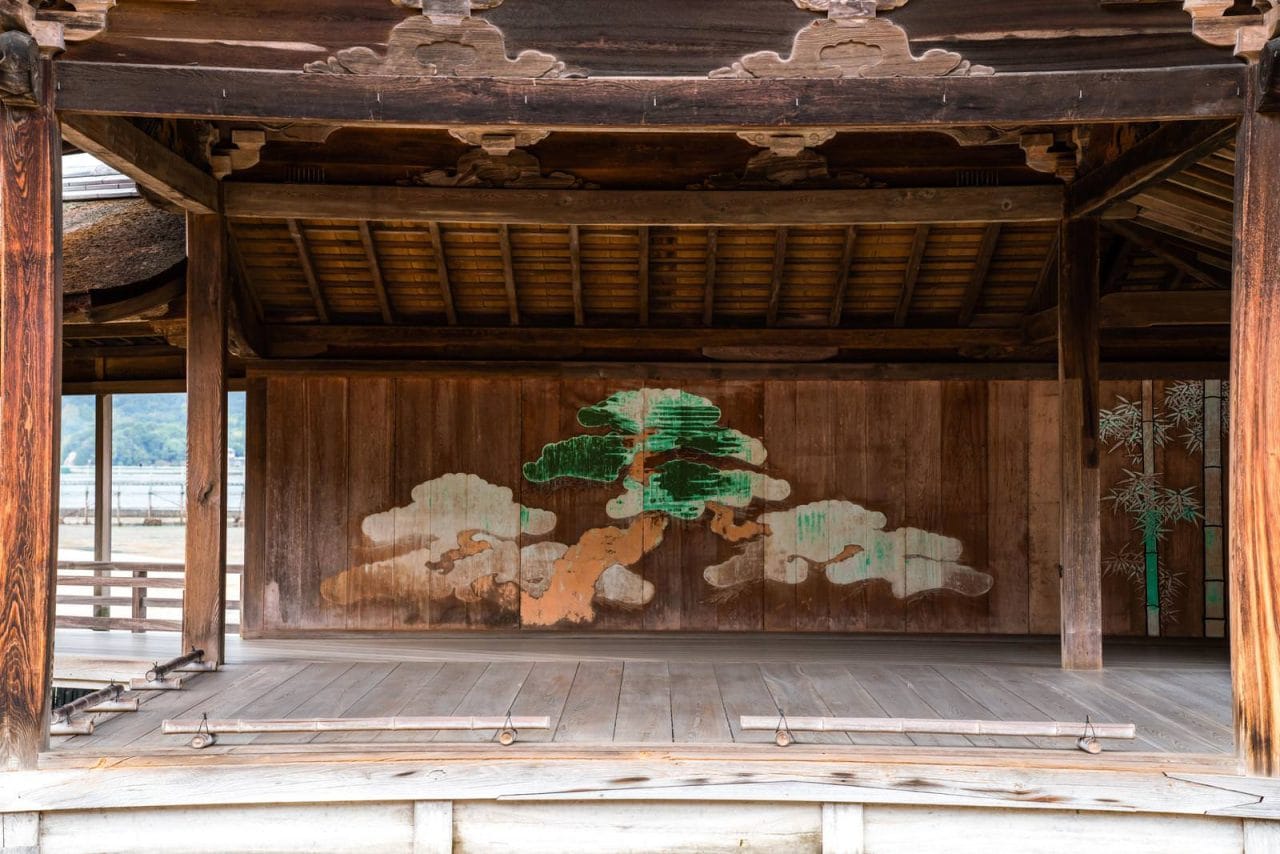
Noh is different from Kabuki and is considered one of the oldest forms of Japanese theater. It's more quiet and focuses on expressing subtle emotions and inner feelings through symbolic movements and chanting. Noh masks are very important and are carefully crafted pieces of art. They are used by actors to show different characters, ages, and emotions, and even a slight tilt of the head can change the mask's expression. The movements in Noh are slow and graceful, refined over centuries, and the stories are often based on Japanese myths, legends, and classical literature, exploring themes of fate, redemption, and the ephemeral nature of life. It's a very sophisticated, poetic, and spiritual art form that requires patience and attention to appreciate fully.
Kyogen Comedy: Laughter and Life Lessons from the Japanese Stage
Kyogen is like a comedy show that is often performed with Noh. While Noh is serious, Kyogen is funny and lighthearted. Kyogen stories are about everyday life and often have a humorous twist. It's like watching a funny play that everyone can enjoy. Kyogen helps to break up the seriousness of Noh and provides a lighter perspective on life. The actors in Kyogen use simple costumes and masks, and their acting is full of energy and fun.
Decoding the Stage: Key Elements to Appreciate Kabuki, Noh, & Kyogen
To enjoy Kabuki, Noh, and Kyogen more, here are a few things to notice. For Kabuki, pay attention to the costumes and makeup, and the dynamic movements of the actors. Listen to the lively music and narration that make Kabuki so energetic. For Noh, focus on the masks and the subtle movements that express deep emotions. The slow chanting and minimal music create a very solemn atmosphere. For Kyogen, just relax and enjoy the funny stories and acting. The simple stage setting lets you focus on the humorous interactions between characters. Listening to the music and narration is also very important in all three forms to understand the story and mood.
Experiencing the Magic Live: Where to Watch Kabuki, Noh, and Kyogen Performances in Japan
If you are in Japan, you should try to see a Kabuki, Noh, or Kyogen performance live. In Tokyo, you can visit the Kabukiza Theatre in Ginza for Kabuki, which is easy to access. For Noh and Kyogen, the National Noh Theatre in Sendagaya is a great place. Many other major cities like Kyoto and Osaka also have theaters or halls where these performances are regularly held. Seeing them live is a very special and immersive experience and will give you a deeper understanding of Japanese culture beyond just sightseeing. Check the schedules online and book tickets in advance if you can, as popular shows can sell out, especially during tourist seasons.
Conclusion
Kabuki, Noh, and Kyogen are precious traditional arts that show the beauty and spirit of Japan. They might seem a bit difficult to understand at first, but once you start to appreciate their unique qualities, you will find them very interesting and moving. Watching these performances is a great way to experience Japanese culture deeply and create unforgettable memories of your trip to Japan. Step into the world of Japanese stage arts and let yourself be captivated by the magic of Kabuki, the depth of Noh, and the humor of Kyogen. Enjoy the world of Japanese stage arts!

