

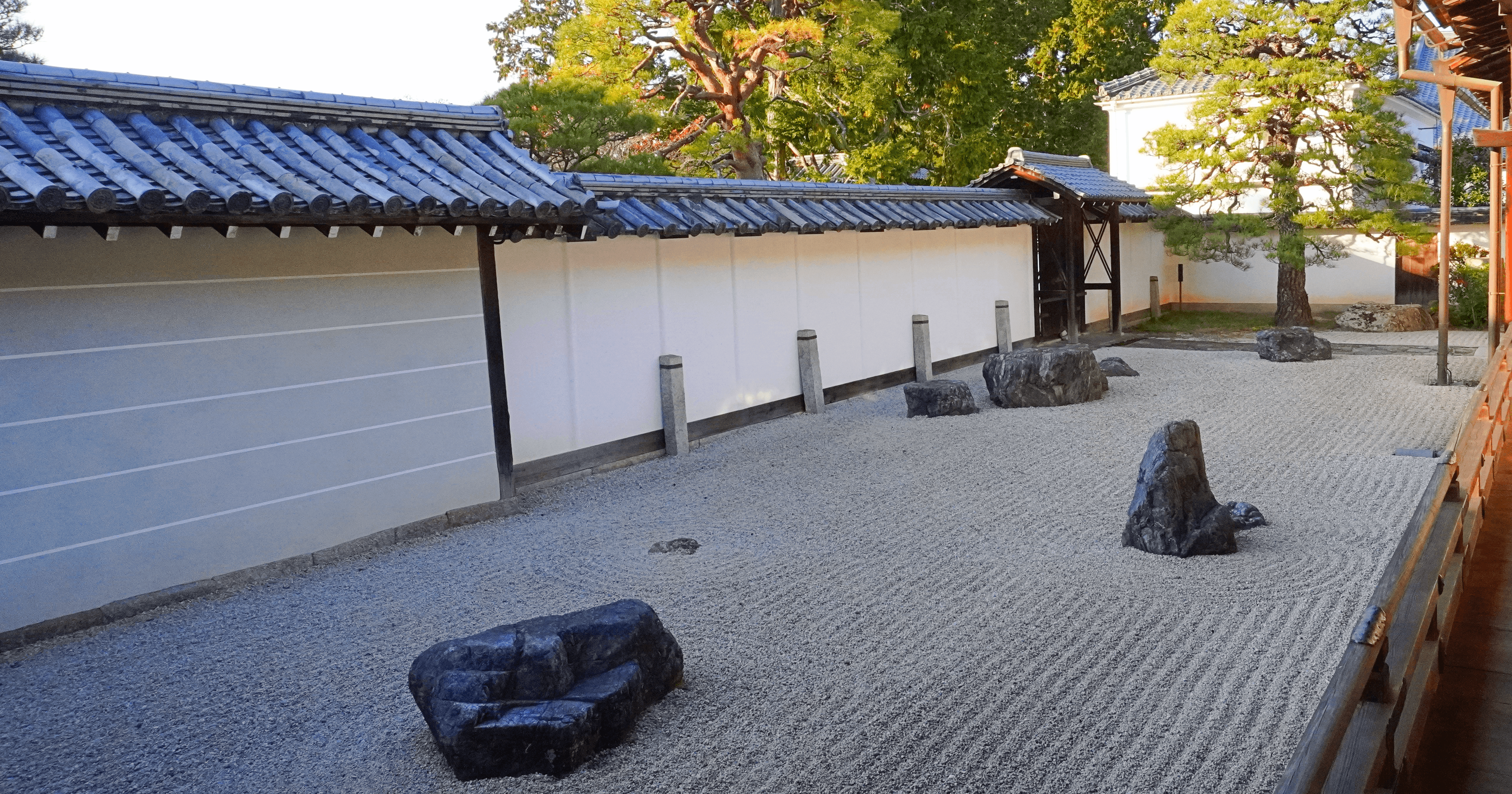







Japan is a land of breathtaking landscapes and a culture rich in history, but it’s also a country that frequently experiences earthquakes. Visitors might find the idea of sudden tremors unsettling, especially if they’re unaccustomed to such occurrences. However, understanding how locals prepare for and react to these natural events can help ease concerns and ensure a safer stay. In Japan, earthquake preparedness is ingrained in daily life—regular drills and a calm response are key aspects of the culture. Interestingly, a magnitude that may seem alarming to visitors often goes unnoticed by locals, who might not even bring it up in conversation the next day. Let’s explore how you can stay calm and navigate this unique aspect of life in Japan.
Why Japan is Known as the Land of Earthquakes
Japan lies within the Pacific Ring of Fire, a region notorious for its significant seismic activity. Due to its geological location, the country experiences frequent earthquakes—over 1,000 tremors annually, including those so subtle they often go unnoticed. Despite these challenges, Japan has implemented cutting-edge systems and resilient infrastructure to mitigate damage, reflecting a cultural strength deeply ingrained in its history.
Stay Calm: How to React During an Earthquake
In Japan, staying calm during disasters like earthquakes or fires is emphasized from a young age. Schools conduct regular evacuation drills and teach children a simple and effective rule called "おかしも (O-ka-shi-mo)"—an acronym reminding them not to push (おさない), run (かけない), talk (しゃべらない), or return (もどらない) during emergencies. This early education fosters a culture of preparedness and calm response.
If an earthquake occurs, remain calm and focus on protecting yourself. Indoors, move away from windows and heavy furniture, and take cover under a sturdy table if possible. If you are outside, head to an open space away from buildings. Once the shaking stops, check your surroundings for any hazards and follow local emergency announcements.
If the earthquake strikes near coastal areas, be aware of the potential for tsunamis. Move quickly to higher ground and stay alert for tsunami warnings or evacuation orders to ensure your safety.
Preparedness in Japan: The Role of Drills and Education
In Japan, preparing for earthquakes is an integral part of daily life. Regular drills are held in schools, workplaces, and local communities to ensure everyone knows how to act during a disaster. These efforts are further supported by public awareness campaigns that educate people on assembling emergency kits, identifying evacuation routes, and staying safe during emergencies.
A Cultural Perspective: Japanese Reactions to Mild Earthquakes
For many Japanese people, moderate earthquakes are seen as part of daily life and hardly cause any concern. What might seem startling to visitors often goes unnoticed by locals, who calmly go about their routines. This behavior reflects their deep familiarity with earthquakes and trust in Japan's comprehensive safety measures.
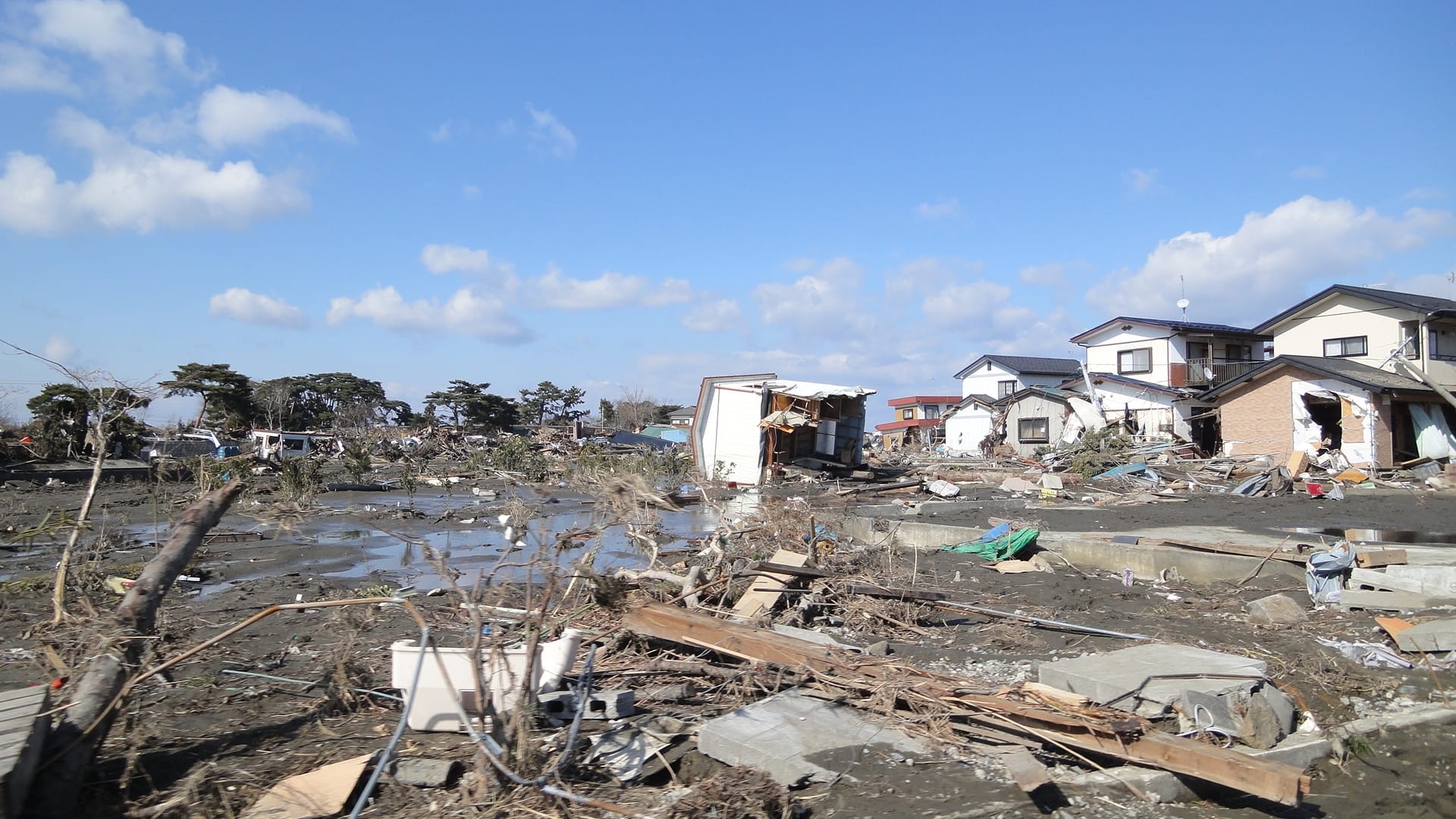
However, once every few years, a devastating earthquake may strike, causing widespread destruction and tragic loss of life. This serves as a reminder of the importance of staying vigilant and prepared. Since predicting when an earthquake will occur is nearly impossible, many households in Japan take proactive measures by keeping emergency supplies on hand.
Historical Earthquakes: Learning from the Past
On the anniversaries of major earthquakes, moments of silence are observed in affected regions, and television programs recount the events of past disasters. These occasions serve as important reminders to honor the memory of those lost and to reflect on the valuable lessons learned from those tragedies.
| Earthquake Name | Date | Magnitude | Main Damage | Impact |
|---|---|---|---|---|
| Great Kanto Earthquake | September 1, 1923 | 7.9 | Massive destruction of buildings, fires, numerous casualties | Reevaluation of urban planning and disaster prevention policies |
| Great Hanshin-Awaji Earthquake | January 17, 1995 | 7.3 | Collapsed highways, large-scale fires, approximately 6,400 fatalities | Revisions to building standards and strengthened disaster measures |
| Great East Japan Earthquake | March 11, 2011 | 9.0 | Approximately 15,900 deaths, about 2,500 missing, massive tsunami, Fukushima Daiichi nuclear disaster | Increased awareness of disaster prevention and changes to nuclear policies |
| Kumamoto Earthquake | April 14 (foreshock) / April 16 (main shock), 2016 | 7.3 (main shock) | Building collapses, ground deformation, approximately 200 fatalities | Renewed focus on the importance of seismic resilience |
| Noto Peninsula Earthquake | January 1, 2024 | 7.6 | Building collapses, tsunami damage, over 470 fatalities (including disaster-related deaths), ground uplift | Reinforcement of seismic and tsunami preparedness |
Introduction of Related Japanese Terms : 地震大国
Related Japanese Terms
地震大国
| Japanese (Kanji) | 地震大国 |
| Japanese (Hiragana) | じしんたいこく |
| Pronunciation | Ji-shi-n ta-i-ko-ku |
| English | the land of earthquakes |
| Details | 地震 means earthquake, and 大国 means a major or leading country, often implying prominence or dominance in a particular context. So, 地震大国 can be interpreted as "a leading country in terms of earthquakes" or "a nation frequently affected by earthquakes." |
Conclusion
By understanding Japan's relationship with earthquakes and adopting the preparedness practices ingrained in its culture, visitors can navigate their time in this country with greater confidence. Awareness and preparation are the keys to staying safe, whether it’s knowing evacuation routes, assembling emergency kits, or staying calm during tremors. Japan's resilience in the face of natural disasters is a testament to the strength and ingenuity of its people. Embracing these lessons can not only ensure a safer experience but also provide a deeper appreciation of the unique spirit that defines life in Japan.

