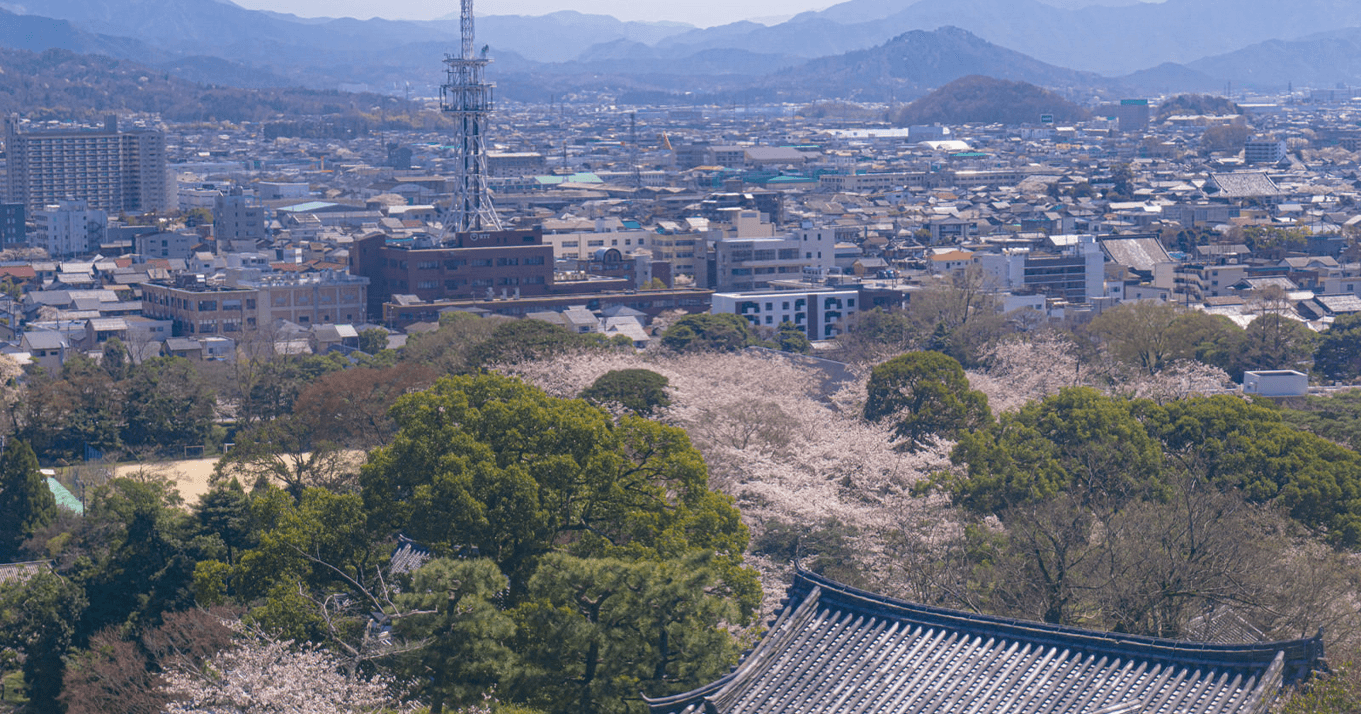
Spring in Japan is a truly special time, and it's strongly connected with cherry blossoms, or "Sakura" in Japanese. These delicate pink flowers bloom all over the country, turning parks and streets into breathtaking landscapes. Sakura is not just a flower; it represents the arrival of spring and the beauty of nature in Japan. Along with Sakura, there is a cherished custom called "Hanami." Hanami is the tradition of enjoying the beauty of cherry blossoms. People gather with family and friends under the Sakura trees to have picnics, parties, and simply relax and appreciate the fleeting beauty of the flowers. Sakura and Hanami are essential parts of Japanese culture and offer a unique experience for anyone visiting Japan in spring. Unveiling Sakura & Hanami: Japan's Enchanting Spring Ritual Sakura, or cherry blossoms, are more than just pretty flowers in Japan. They have a deep cultural meaning. Sakura symbolize the beauty and fragility of life, as their blooming period is very short. Japanese people have admired Sakura for centuries, and the flowers are often featured in art, poetry, and literature. Hanami is a custom that dates back hundreds of years. It started among nobles in the Nara Period (710-794) and later spread to samurai and common people in the Edo Period (1603-1868). Originally, Hanami was associated with plum blossoms, but it shifted to cherry blossoms during the Heian Period (794-1185). Hanami is not just about looking at flowers; it's about celebrating spring, spending time with loved ones, and feeling connected to nature. It’s a time to ...