UU









2025/3/30
Have you ever heard of capsule hotels? They are a unique type of accommodation in Japan. They are different from regular hotels. Capsule hotels offer small sleeping spaces called "capsules" or "pods." These hotels are a fun and efficient way to stay in Japan. If you want to experience something truly Japanese, try a capsule hotel! What Exactly is a Capsule Hotel? Imagine a hotel room shrunk down to just the size of a bed. That's basically a capsule hotel! Instead of private rooms, you get your own personal sleeping pod. These pods are lined up side-by-side and sometimes stacked two units high. Think of it like a futuristic, cozy bunk bed. Each capsule is a private space for sleeping and relaxing. It’s a simple and affordable way to stay overnight. Why are Capsule Hotels Unique? Capsule hotels are indeed unique for several reasons. Firstly, they emerged from Japan's unique circumstances, particularly the challenge of limited space in bustling urban areas. As a densely populated country, especially in major cities, Japan has always sought innovative solutions to spatial constraints. Capsule hotels can be seen as one such invention, offering a compact and affordable lodging option in crowded cities. Secondly, capsule hotels offer a glimpse into a certain aspect of Japanese culture. They might reflect Japan's emphasis on efficiency and functionality, and perhaps a willingness to embrace novel experiences. However, it's important to note that capsule hotels are just one example of accommodation and do not represent the entirety of Japanese culture. Staying in a capsule ...
2025/3/29
Have you ever traveled by train in Japan? If so, you might have seen or heard about "Eki-ben". Eki-ben is a very popular food in Japan. It’s a type of boxed lunch sold at train stations. For many Japanese people, and increasingly for tourists, Eki-ben is more than just a meal. It's a taste of local culture and a fun part of the train journey. What is "Eki-ben"? - A Unique Japanese Food Culture The word "Eki-ben" is short for "Eki-bento". "Eki" means station, and "Bento" means boxed lunch. So, simply put, Eki-ben is a boxed lunch sold at train stations. But it's not just any boxed lunch. Eki-ben are specially made to represent the local area where they are sold. They often use local ingredients and traditional cooking methods. Each Eki-ben is like a mini-guide to the region's food culture. Eating Eki-ben is a unique Japanese custom that has been loved for generations. The History of Eki-ben: From the Meiji Era to Today Eki-ben has a long history in Japan. It is said that Eki-ben first appeared in the Meiji era, around the late 19th century. When railway networks expanded across Japan, people started to travel by train more often. At that time, there were not many restaurants or shops around train stations. So, selling boxed lunches at stations became a good idea. The first Eki-ben was a simple meal consisting of two rice balls and two slices of pickled radish. But over time, they became more elaborate and diverse. Today, Eki-ben is a ...

2025/3/28
Japanese convenience stores, or "konbini," are truly amazing places. When you visit Japan, you'll probably be surprised by the wide variety of products available at konbini. Among them, Japanese convenience store sweets are especially noteworthy. They are not just a quick bite; they offer a delightful taste of Japanese confectionery. For many visitors, exploring konbini sweets is a fun and delicious part of their trip. What are Japanese Convenience Store Sweets? Japanese convenience store sweets are desserts sold at convenience stores throughout Japan. You might think they are just ordinary, mass-produced sweets. However, they are different. Konbini sweets are known for their surprisingly high quality and diverse range. You can find everything from classic cakes and pastries to traditional Japanese sweets and seasonal treats. They are carefully made and often use quality ingredients, making them a step above your average convenience store fare. Why are they so popular? Several reasons contribute to the popularity of Japanese convenience store sweets. First, the quality is surprisingly high. Konbini sweets are developed with great care, often rivaling those from dedicated patisseries. Second, the variety is extensive. You can always find something new and tempting, from rich chocolate cakes to light and fluffy roll cakes. Third, they are affordable. Despite their quality, konbini sweets are reasonably priced, offering excellent value for money. Finally, accessibility is key. Convenience stores are everywhere in Japan, open 24/7, making it easy to satisfy your sweet cravings anytime. Must-Try Sweets Categories When exploring Japanese convenience store sweets, there are a few categories you should ...

2025/3/27
Have you ever wondered what the inside of a Japanese house looks like? Japanese houses, both traditional and modern, have unique layouts that reflect Japanese culture and lifestyle. Understanding these layouts can give you a deeper insight into Japanese daily life and values. Let’s take a peek inside! What Makes Japanese House Layouts Unique? Japanese house layouts are different from Western layouts in several ways. One key difference is the concept of space. In Japan, limited land space has led to efficient and multi-functional designs. Japanese homes often prioritize flow and flexibility over fixed room divisions. Another unique aspect is the incorporation of nature. Traditional layouts aim to bring the outside in, connecting living spaces with gardens or natural light. Key Features of Traditional Japanese House Layouts Traditional Japanese houses often feature several distinctive elements. Tatami mats are perhaps the most iconic. These woven straw mats serve as flooring and dictate room dimensions. Shoji screens, made of translucent paper and wood frames, are used as sliding doors and windows, diffusing light softly. Fusuma are opaque sliding doors that can divide or unite spaces, offering flexibility. A genkan, or entryway, is a lowered space where shoes are removed, marking the transition from outside to inside. Many traditional homes also include an engawa, a veranda-like space that connects the house to the garden. Modern Japanese Apartments: Space-Saving Design Modern Japanese apartments, especially in urban areas, often face the challenge of limited space. To overcome this, architects and designers have become masters of space-saving design. You will often ...

2025/3/26
Japan's trains are famous for their punctuality and efficiency. They are a vital part of daily life for many people here. However, there's one aspect of Japanese trains that might surprise visitors: rush hour. During peak times, trains in major cities become incredibly crowded. This article is your guide to understanding and navigating Japan's packed trains during rush hour. We'll share what to expect and how to handle it like a local. Understanding the Rush Hour Reality: What to Expect on Japanese Trains Rush hour in Japan, especially in cities like Tokyo and Osaka, is an experience. Imagine trains filled to capacity, with people standing shoulder to shoulder. It can feel overwhelming if you are not used to it. The peak hours are generally from 7:30 AM to 9:30 AM in the morning and 5:00 PM to 8:00 PM in the evening on weekdays. During these times, trains are most congested as people commute to and from work or school. Don't be surprised to find yourself pressed against other passengers. While it's crowded, it's also orderly. People generally remain calm and quiet, even in the tightest spaces. Announcements are made in Japanese and often in English, guiding passengers. Train staff, known as "ek員 (ekiin)" or station staff, are present to assist passengers and ensure smooth boarding and alighting. Why So Crowded? Unveiling the Mystery of Japan's Packed Trains Several factors contribute to the packed trains in Japan during rush hour. Firstly, Japan has a high population density, especially in urban areas. Many people live in ...
2025/3/27
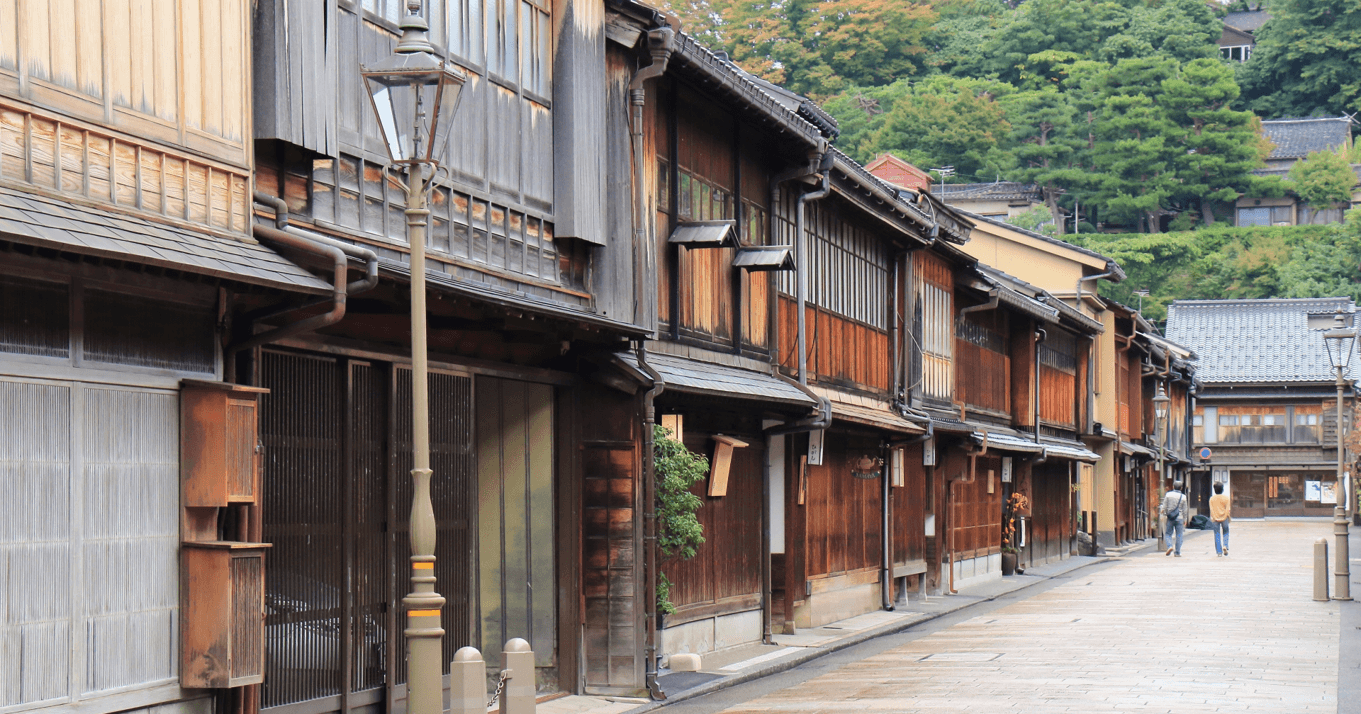
Japan offers a captivating blend of modern innovation and rich tradition. While futuristic cities and cutting-edge technology often steal the spotlight, the heart of Japan's cultural heritage resides in its traditional architecture. Among these architectural treasures are Kominka and Machiya, old Japanese houses that whisper stories of bygone eras. This article invites you to explore the enchanting world of Kominka and Machiya, offering a glimpse into the authentic soul of Japan. What are Kominka and Machiya? The term "kominka" refers to old private houses, specifically traditional homes that have aged significantly since their construction. However, there is no clear or strict definition for what constitutes a kominka. These homes are often found in rural areas, surrounded by nature. They were typically farmhouses or residences of wealthy merchants and landowners. Kominka are characterized by their sturdy wooden structures, thatched or tiled roofs, and spacious interiors. Machiya, on the other hand, refers to a type of residence that combines living quarters with a shop or business. It is characterized by a layout where the shops are evenly lined along the street, while the rear of the house serves as the living space. These urban-style houses are commonly found in historically prosperous areas such as castle towns, post stations, and temple towns. They often feature high standards of architectural craftsmanship and design. The Charm of Traditional Japanese Houses Stepping into a Kominka or Machiya is like traveling back in time. These houses exude a sense of tranquility and warmth that is hard to find in modern buildings. The ...

2025/3/24
Traveling around Japan? You should know about IC cards. They will make your trip much easier. IC cards are rechargeable cards. You can use them for trains and buses. They are super convenient. Forget buying tickets every time. Just touch and go! This simple card can save you time and stress. What are Japanese IC Cards? IC cards are prepaid cards. They are mainly for public transportation. Think of them as digital tickets. You charge them with money in advance. Then, you can use them on almost all trains and buses across Japan. Major IC cards are Suica and Pasmo. These cards are not just for JR lines or Tokyo Metro. They work in most regions across the country. It's like having a universal transit pass in your pocket. No need to fumble for cash or buy paper tickets each time you ride. Types of IC Cards and Where to Buy Them There are several IC cards in Japan. Suica and Pasmo are the most common. Suica is issued by JR East. Pasmo is issued by other railway and bus companies in Tokyo area. Don't worry too much about the difference. Both cards work almost everywhere. You can buy Suica at JR East stations. Look for ticket vending machines or the Midori no Madoguchi (JR Ticket Office). Pasmo is available at subway stations and bus offices. Airports like Narita and Haneda also sell them. When you buy a card, you might need to pay a deposit. This deposit is usually 500 yen. You will get ...
2025/3/24
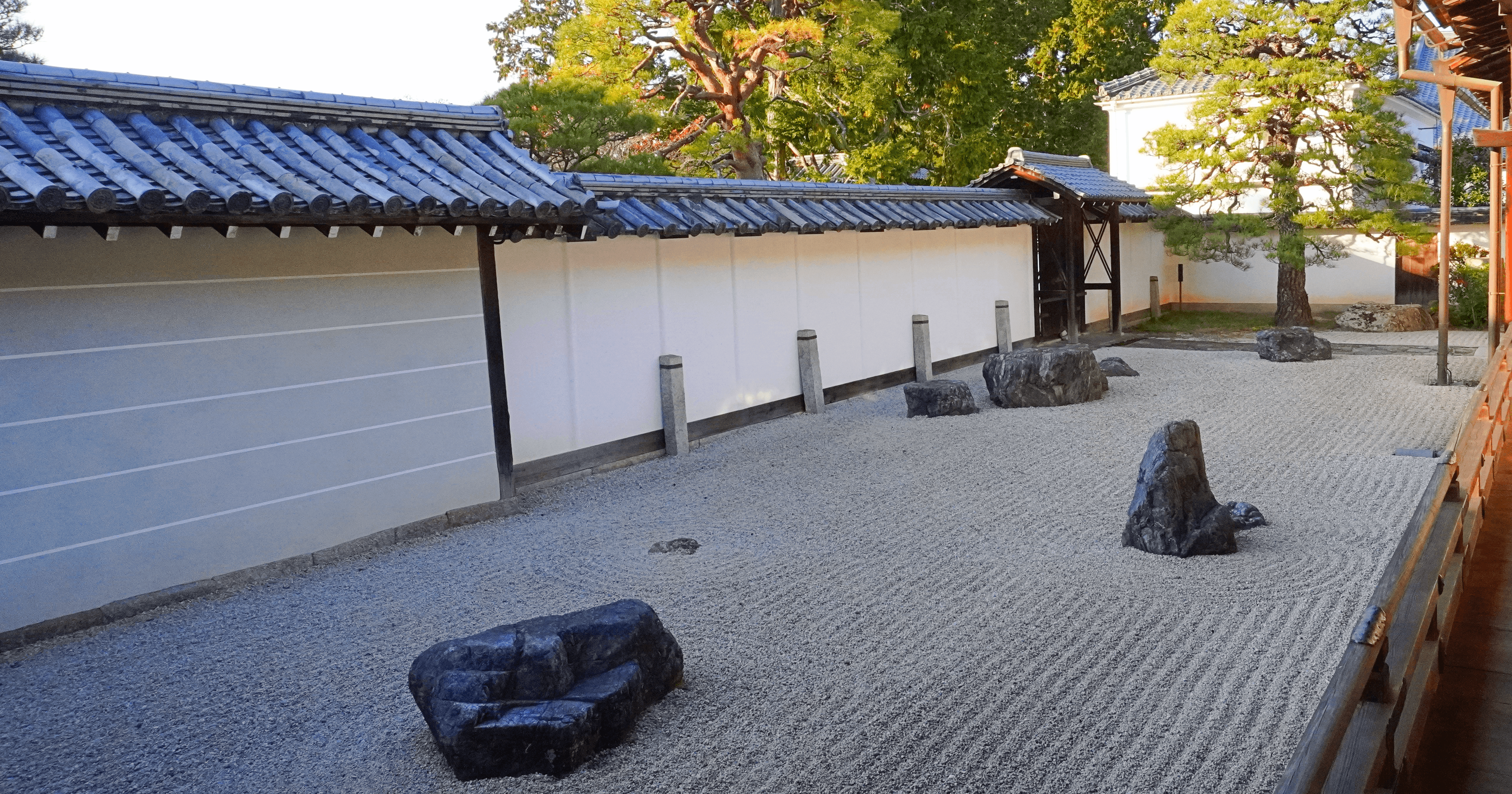
Japan is known for many beautiful gardens. Among them, Karesansui gardens are unique and special. They are also called "dry landscape gardens." These gardens represent nature using elements such as rocks, gravel, sand, and plants. Karesansui gardens are deeply connected to Zen Buddhism. They offer a place for quiet reflection and finding peace. Let's explore the serene world of Karesansui gardens together. What is Karesansui Garden? Imagine a garden without ponds or streams. Instead of water, you see carefully raked sand or gravel. This is the essence of a Karesansui garden. "Kare" means dry, and "Sansui" means landscape. So, it's literally a dry landscape garden. Rocks represent mountains or islands. Raked sand or gravel patterns symbolize water flows or the vast ocean. These gardens are designed to evoke nature and encourage contemplation, all within a limited space. The History of Karesansui: From Zen Temples to Modern Landscapes These gardens, now famous as tourist attractions, have preserved the karesansui style, which began to be created around the mid-Muromachi period. Zen Buddhism was becoming influential, especially in Kyoto. Zen temples sought gardens that would aid in meditation. Karesansui gardens, with their minimalist and symbolic nature, were perfect for this purpose. Initially created in temple grounds, the style evolved over centuries. Today, you can find Karesansui elements in modern gardens and even in urban spaces, showing its lasting appeal. Key Elements of Karesansui Gardens: Stone, Sand, and Serenity Three key elements define Karesansui gardens: stones, sand or gravel, and the serenity they create. Stones, or "Ishi," are carefully ...

2025/3/24
Bowing is a fundamental aspect of Japanese culture and etiquette. It's a non-verbal way to communicate respect, greetings, apologies, and gratitude. Understanding bowing is key to navigating social interactions in Japan. For visitors, learning about bowing can greatly enhance their experience and show cultural sensitivity. This article will guide you through the meaning and practice of bowing in Japan. Why Do Japanese People Bow? Unveiling the Cultural Significance Bowing is deeply rooted in Japanese history and social values. It's more than just a gesture; it's a sign of respect and humility. Japanese people bow to show gratitude, apologize, greet others, and express condolences. The depth of the bow often reflects the level of respect or emotion being conveyed. In Japanese society, bowing fosters harmonious relationships and smooth communication. It's a way to show consideration for others' feelings and social standing. Mastering the Bow: Types and Depths of Japanese Bows There are different types of bows in Japan, varying in depth and formality. The most common types are casual bows (会釈/Eshaku), regular bows (敬礼/Keirei), and deep bows (最敬礼/Saikeirei). A casual bow is a slight 15-degree bend, used for informal greetings or to colleagues. A regular bow is a 30-degree bend, used for showing respect in business situations or to superiors. A deep bow is a 45-degree or deeper bend, expressing sincere apologies or deep gratitude. The deeper the bow, the greater the respect or remorse conveyed. Bowing Etiquette: When and Who to Bow To in Japan Bowing etiquette in Japan involves understanding when and to whom ...

2025/3/24
Japan is an island country with a north-to-south stretch. This geography creates a remarkable diversity in climate and natural environment. One of the most appealing aspects of Japan is its distinct four seasons. Each season brings unique beauty and experiences. From the delicate cherry blossoms of spring to the snowy landscapes of winter, Japan's seasonal changes are a wonder to behold. This article will guide you through the natural wonders of Japan throughout the year. Spring in Japan: Cherry Blossoms and New Life The symbol of spring in Japan is the cherry blossom, which is called "sakura" in Japanese. Around late March to mid-April, these pale pink flowers bloom all over the country. Cherry blossoms are not just beautiful flowers; they symbolize the start of new life and hope. People in Japan enjoy "hanami," or cherry blossom viewing parties, under the blooming trees. Parks and riverside areas become lively with families and friends celebrating the season. Spring is also a time when other flowers like plum blossoms and rapeseed flowers bloom, adding more colors to the Japanese landscape. The gentle climate of spring makes it a perfect time to explore gardens and parks. Summer in Japan: Lush Greenery and Vibrant Festivals Summer in Japan is characterized by lush greenery and vibrant festivals. After the rainy season ends, the landscapes turn intensely green. Rice paddies shine, and forests become thick with foliage. Summer is also the season of "matsuri," traditional Japanese festivals. These festivals are held all over Japan, featuring traditional dances, food stalls, and lively ...
