UU











2025/4/6
Have you ever imagined a world painted in fiery reds, vibrant oranges, and sunny yellows? That's autumn in Japan, or "koyo" as we call it. It’s a truly magical time when nature puts on a dazzling show. Many people visit Japan in spring for cherry blossoms, but autumn leaves are just as beautiful, and maybe even more breathtaking for some. Imagine walking through a temple garden with maple trees turning crimson all around you. Or picture hiking a mountain trail surrounded by golden leaves. These are the kinds of experiences that await you in Japan during autumn. Get ready to fall in love with Japan's autumn leaves. They are an unforgettable sight. Unveiling Japan's Must-See Autumn Leaves Spots: From Iconic to Hidden Gems Kiyomizu-dera (清水寺) Japan is full of amazing places to see autumn leaves. Some spots are very famous and attract many visitors, while others are quieter and known only to locals. Let's start with some iconic locations. Kyoto is a classic choice. Kiyomizu-dera Temple and Arashiyama are especially beautiful during autumn. In Tokyo, Rikugien Garden and Mount Takao are popular. These places offer stunning views and are easy to access. But if you want to explore beyond the well-trodden path, try places like Hakone, famous for its volcanic hot springs and views of Mount Fuji with autumn colors. Or visit Nikko National Park, a bit further from Tokyo, but worth the trip for its breathtaking natural beauty and historical shrines surrounded by colorful trees. Whether you choose a famous spot or a hidden ...
2025/4/3
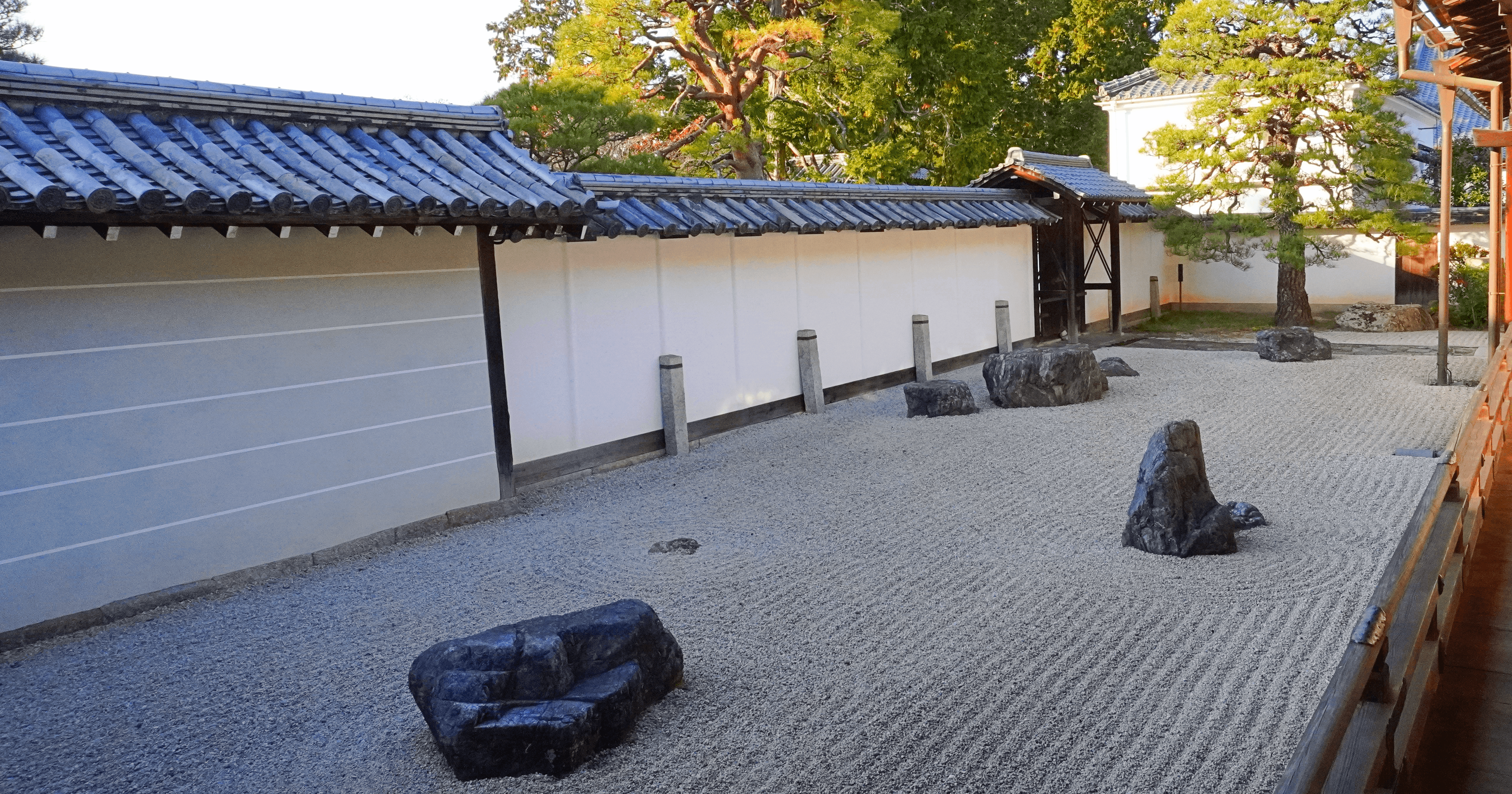
Japan is known for its beautiful nature and unique culture. Many people visit Japan to see famous places like Mt. Fuji and Tokyo. But there's another side of Japan that's deeply spiritual. This is found in its serene gardens, tranquil temples, and sacred shrines. These places offer a chance to step away from the busy world. You can find peace and connect with Japanese spirituality there. Finding Peace in Japanese Gardens: More Than Just Green Spaces Ryoanji (龍安寺) Japanese gardens are not just pretty parks. They are carefully designed spaces for meditation and reflection. Each element in a Japanese garden has a meaning. Rocks can represent mountains, and ponds can represent oceans. Walking through a garden, you might notice small details like the sound of water or the way sunlight filters through the trees. These sensory experiences are designed to calm your mind. Gardens like Kenrokuen in Kanazawa and Ryoanji Temple's rock garden in Kyoto are famous examples. They show how nature can be arranged to inspire peace and contemplation. Temples of Tranquility: Exploring Japan's Sacred Buddhist Sites Kiyomizu-dera (清水寺) Temples in Japan are often located in quiet, natural settings. They are places of worship for Buddhism, which came to Japan many centuries ago. Temples are not just historical sites; they are active centers for spiritual practice. When you visit a temple, you might see people praying or monks performing rituals. Places like Todaiji in Nara, with its giant Buddha statue, and Kiyomizu-dera in Kyoto, with its wooden stage, are very impressive. Spending time in ...

2025/4/2
Japanese stationery is popular around the world. Many people love it because of its unique designs and high quality. It's not just useful, but also beautiful and fun to use. This article will introduce you to the appealing world of Japanese stationery. Why Japanese Stationery is a Must-Have for Design Lovers If you appreciate good design, Japanese stationery is something you should definitely check out. It's not only about function, but also about aesthetics. Japanese stationery often features simple and clean designs. This minimalist approach is very attractive to design lovers. In addition, the high quality is another reason for its popularity. Japanese stationery is made to be durable and enjoyable to use for a long time. Beyond Cute: Exploring the Unique Design Philosophy of Japanese Stationery Some people might think Japanese stationery is just cute. However, it goes beyond that. Japanese design philosophy values functionality and simplicity. Japanese designers pay close attention to small details, a concept known as "kodawari." This philosophy makes Japanese stationery special. It's not just about looking good, but also about working perfectly and being user-friendly. This thoughtful design is what sets Japanese stationery apart. Functionality Meets Beauty: Discovering Innovative Japanese Stationery Designs Japanese stationery is well-known for its innovation. For example, there are pens that offer incredibly smooth writing. Erasers that erase cleanly without damaging paper. Notebooks with paper that is comfortable to write on and prevents ink from bleeding through. Japanese stationery makers are always trying to improve their products. They combine functionality with beautiful designs seamlessly. This ...

2025/4/1
Japan is a captivating country that blends tradition with modernity, creating a unique travel experience. For many, visiting Japan is a dream come true, filled with visions of bustling cities, serene temples, and breathtaking landscapes. This article is your gateway to discovering some of the most enchanting aspects of Japan, focusing on three key elements: the vibrant and trendy Harajuku, the iconic and majestic Mount Fuji, and the exquisite world of Japanese traditional crafts. Prepare to embark on a journey that will ignite your senses and make you fall in love with Japan. Harajuku Unveiled: More Than Just Trendy Fashion & Kawaii Culture Harajuku is globally recognized as a hub of youth fashion and kawaii culture. It's true that the area bursts with colorful street styles and unique fashion boutiques. However, Harajuku is more than just a fashion hotspot. It's a neighborhood that beautifully balances the ultra-modern with pockets of tranquility and tradition. Takeshita Street is the energetic heart of Harajuku, famous for its quirky shops and crepe stands. Just a short walk away, you can find the peaceful Meiji Jingu Shrine, a green oasis dedicated to Emperor Meiji and Empress Shoken. Exploring Harajuku means experiencing the dynamic energy of Tokyo youth culture alongside moments of serene reflection in traditional settings. Mount Fuji: Witnessing Japan's Iconic Beauty and Spiritual Power Mount Fuji is arguably Japan's most iconic symbol. As the country's tallest peak, its majestic and perfectly symmetrical cone shape has been celebrated in art and literature for centuries. For the Japanese people, Mount Fuji, ...

2025/3/31
Welcome to Japan, a land of rich culture, stunning landscapes, and, of course, amazing souvenirs! When you visit Japan, finding the perfect memento to remember your trip is a must. Japanese souvenirs are not just items; they are pieces of Japanese culture and craftsmanship that you can take home with you. Unveiling the Treasure Trove: Why Japanese Souvenirs are a Must-Buy for Travelers Japanese souvenirs are special for many reasons. First, the quality is often very high. Japanese artisans take pride in their work, whether it’s making delicate sweets or carefully crafting traditional items. Second, there is so much variety! You can find something that suits everyone, from cute character goods to elegant traditional crafts. Finally, buying souvenirs is a fun way to experience Japanese culture. Exploring local shops and markets is part of the joy of traveling in Japan. Must-Buy Japanese Snacks and Sweets: A Delicious Souvenir Shopping Spree Japanese snacks and sweets, or “okashi,” are incredibly popular souvenirs. They are delicious, beautifully packaged, and represent the unique flavors of Japan. Consider these treats for your souvenir list: KitKat (various Japanese flavors): You can find KitKat in flavors like matcha, roasted green tea, and even sake. Some of these unique flavors are exclusive to Japan, making them delightful gifts. Royce' Chocolate: Especially their Nama Chocolate, which is incredibly smooth and rich. It’s a melt-in-your-mouth experience. Tokyo Banana: A soft sponge cake filled with banana custard cream. It’s a classic Tokyo souvenir and loved by many. Shiroi Koibito: “White Lover” cookies from Hokkaido. These delicate ...
2025/3/30
Imagine stepping back in time. Picture yourself in Japan during the Edo period (1603-1868). This era was ruled by samurai and shoguns. It was a time of unique culture and tradition. One of the best ways to experience this history is by visiting castle towns and samurai residences. These places are like time capsules. They transport you to the heart of old Japan. Let's explore the fascinating world of Edo Japan together. Unveiling the Secrets of Japanese Castle Towns Castle towns, or "jokamachi," developed around Japanese castles. These towns were not just military bases. They were centers of politics, economy, and culture. The castle was the symbol of power. Samurai and merchants lived in the town surrounding it. Streets were often laid out strategically. This design was for defense and control. Walking through a castle town, you can feel the history in the air. You can see how life unfolded around the castle. Explore the layout and imagine the bustling life of the past. Top Castle Towns You Can't Miss in Japan Several castle towns in Japan are exceptionally well-preserved. Kanazawa is famous for its Nagamachi samurai district. Hagi retains a traditional atmosphere with its intact castle town layout and samurai residences. Takayama, in the mountains, offers a charming old town with well-preserved Edo-era streets. Matsumoto is known for its stunning black castle and surrounding town. Each town has unique characteristics. Visiting these towns is like stepping directly into Japanese history. Discover the unique charm of each castle town. Exploring Samurai Residences: A Glimpse into ...

2025/3/30
Japan is famous for its delicious food, and ramen is one of the most popular dishes. You can enjoy ramen in many restaurants, but have you ever tried ramen at a "yatai"? Yatai are small, mobile food stalls that come to life at night, offering a vibrant and unique dining experience. While some in tourist areas might be stationary, they retain their charm and appeal. Imagine walking through a lively Japanese street and finding a cozy yatai serving hot, flavorful ramen. This is not just a meal; it's an adventure! In this article, we'll guide you through the wonderful world of ramen yatai, so you can experience this special part of Japanese street food culture. Unveiling the Magic of Yatai: What is Ramen Yatai? Yatai are essentially mobile food stalls. They are a long-standing part of Japanese street food culture, especially popular at festivals and outdoor events. Among various types of yatai, ramen yatai are particularly loved. These stalls typically consist of a small counter and a few seats, creating an intimate and friendly atmosphere. The chefs cook right in front of you, and you can enjoy freshly made ramen outdoors. It’s a very different experience from eating in a restaurant. The charm of ramen yatai lies in its casual, outdoor setting and the close interaction with the chef and other customers. Why Ramen Yatai is a Must-Try for Your Japan Street Food Walk Trying ramen yatai is highly recommended when you are exploring Japanese street food. First, the ramen itself is often exceptional. Yatai ...

2025/3/30
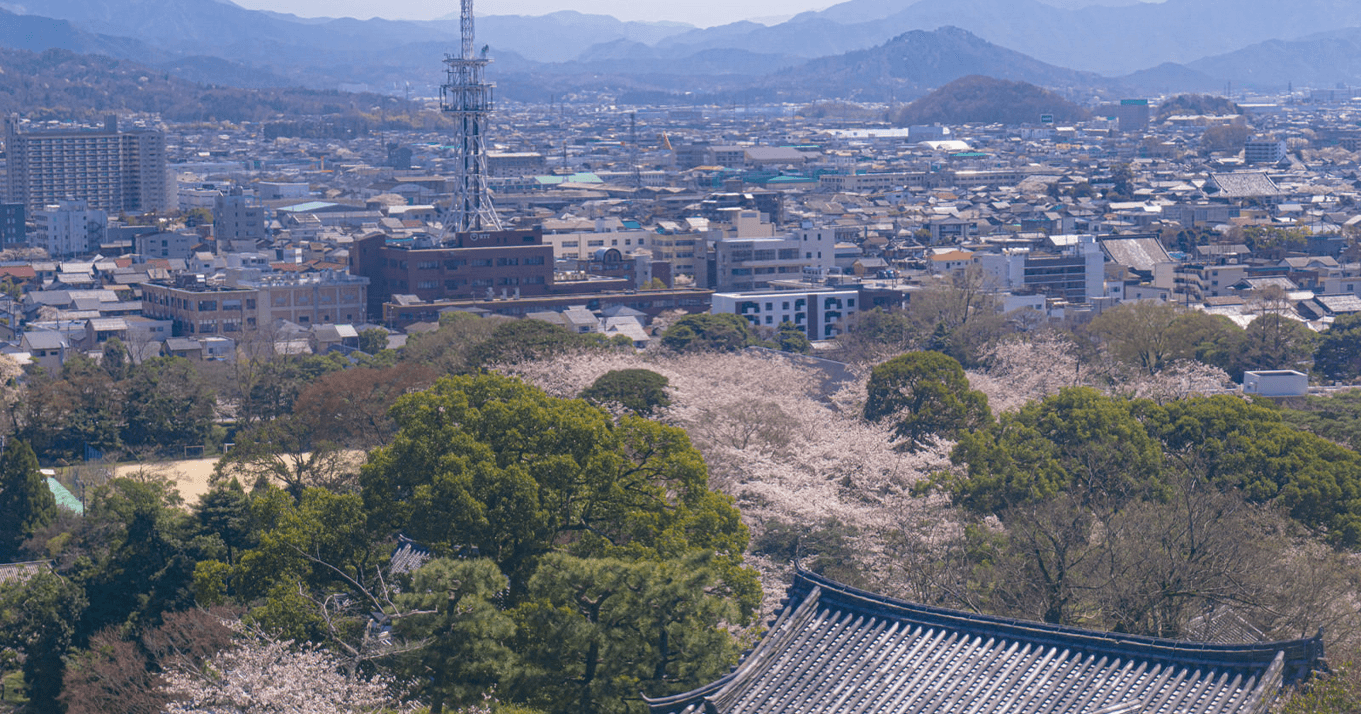
Spring in Japan is a truly special time, and it's strongly connected with cherry blossoms, or "Sakura" in Japanese. These delicate pink flowers bloom all over the country, turning parks and streets into breathtaking landscapes. Sakura is not just a flower; it represents the arrival of spring and the beauty of nature in Japan. Along with Sakura, there is a cherished custom called "Hanami." Hanami is the tradition of enjoying the beauty of cherry blossoms. People gather with family and friends under the Sakura trees to have picnics, parties, and simply relax and appreciate the fleeting beauty of the flowers. Sakura and Hanami are essential parts of Japanese culture and offer a unique experience for anyone visiting Japan in spring. Unveiling Sakura & Hanami: Japan's Enchanting Spring Ritual Sakura, or cherry blossoms, are more than just pretty flowers in Japan. They have a deep cultural meaning. Sakura symbolize the beauty and fragility of life, as their blooming period is very short. Japanese people have admired Sakura for centuries, and the flowers are often featured in art, poetry, and literature. Hanami is a custom that dates back hundreds of years. It started among nobles in the Nara Period (710-794) and later spread to samurai and common people in the Edo Period (1603-1868). Originally, Hanami was associated with plum blossoms, but it shifted to cherry blossoms during the Heian Period (794-1185). Hanami is not just about looking at flowers; it's about celebrating spring, spending time with loved ones, and feeling connected to nature. It’s a time to ...

2025/3/30
Have you ever wanted to experience a unique part of Japanese culture? If so, visiting a “Sento” is a great idea! Sento are traditional Japanese public bathhouses where people can relax and refresh themselves. It’s more than just a place to get clean; it’s a social hub and a window into Japanese daily life. Let's explore the world of Sento and discover why they are so special. What Exactly is Sento: Unveiling Japanese Public Baths Sento are public bathhouses found throughout Japan. Natural hot spring water may be used in some cases, but it is more common to boil regular water. For many years, most Japanese homes did not have their own baths, so Sento were essential for daily hygiene. Today, even with baths in most homes, Sento remain popular. They offer a spacious and relaxing bathing experience that is different from bathing at home. You can often find different kinds of baths, like hot baths, cold baths, and even saunas in one Sento. A Journey Through Time: The History and Culture of Sento The history of Sento dates back centuries. They became popular during the Edo period (1603-1868). At that time, Sento were not just places to bathe, but also important social spaces. People gathered at Sento to chat, share news, and build community. Sento often became the center of neighborhoods. Even now, this sense of community remains a vital part of Sento culture. Visiting a Sento is like stepping back in time and experiencing a long-held Japanese tradition. Your Sento Adventure: A Step-by-Step ...

2025/3/30
Japan, the birthplace of anime, is also the sacred place for anime fans. In recent years, "Anime Pilgrimage" has become popular among foreign tourists. Anime Pilgrimage is to visit real-world locations that are featured in anime. These locations are called "Holy Land" by anime fans. Let's explore the world of anime by visiting the Holy Land in Japan! What is Anime Pilgrimage? Anime Pilgrimage, also known as "Holy Land Pilgrimage," is a unique way to enjoy anime. Fans visit real-world locations that inspired or were featured in their favorite anime. These locations can be anything from famous landmarks to ordinary streets and parks. By visiting these places, fans can immerse themselves in the world of anime and experience it in a tangible way. It's like stepping into the anime itself! Why Anime Pilgrimage is Popular? There are several reasons why Anime Pilgrimage has become so popular. First, it offers a deeper connection with anime. Fans can feel a stronger bond with their favorite stories by seeing the places that inspired them. Second, it's a chance to explore Japan from a unique perspective. You can discover beautiful scenery and local culture through the lens of anime. Finally, it's simply fun! Searching for locations and recreating anime scenes can be an exciting and rewarding experience. Must-Visit Anime Pilgrimage Spots in Japan Japan has countless Anime Pilgrimage spots all over the country. Here are a few must-visit locations for anime fans: Tokyo: Akihabara: Known as "Anime Town," Akihabara is full of anime stores, arcades, and themed cafes. It's ...
