








Welcome to the world of Handmade Japan! When you think of Japan, you might imagine bustling cities and cutting-edge technology. But beyond the modern facade, there's a rich tradition of craftsmanship that has been passed down for generations. This article will guide you through three beautiful examples of this tradition: ceramics, lacquerware, and dyeing. These aren't just crafts; they are a way of life, reflecting the Japanese spirit and connection to nature. Prepare to be enchanted by the timeless allure of Handmade Japan.
Ceramics: Unearthing the Beauty of Japanese Pottery (陶芸)
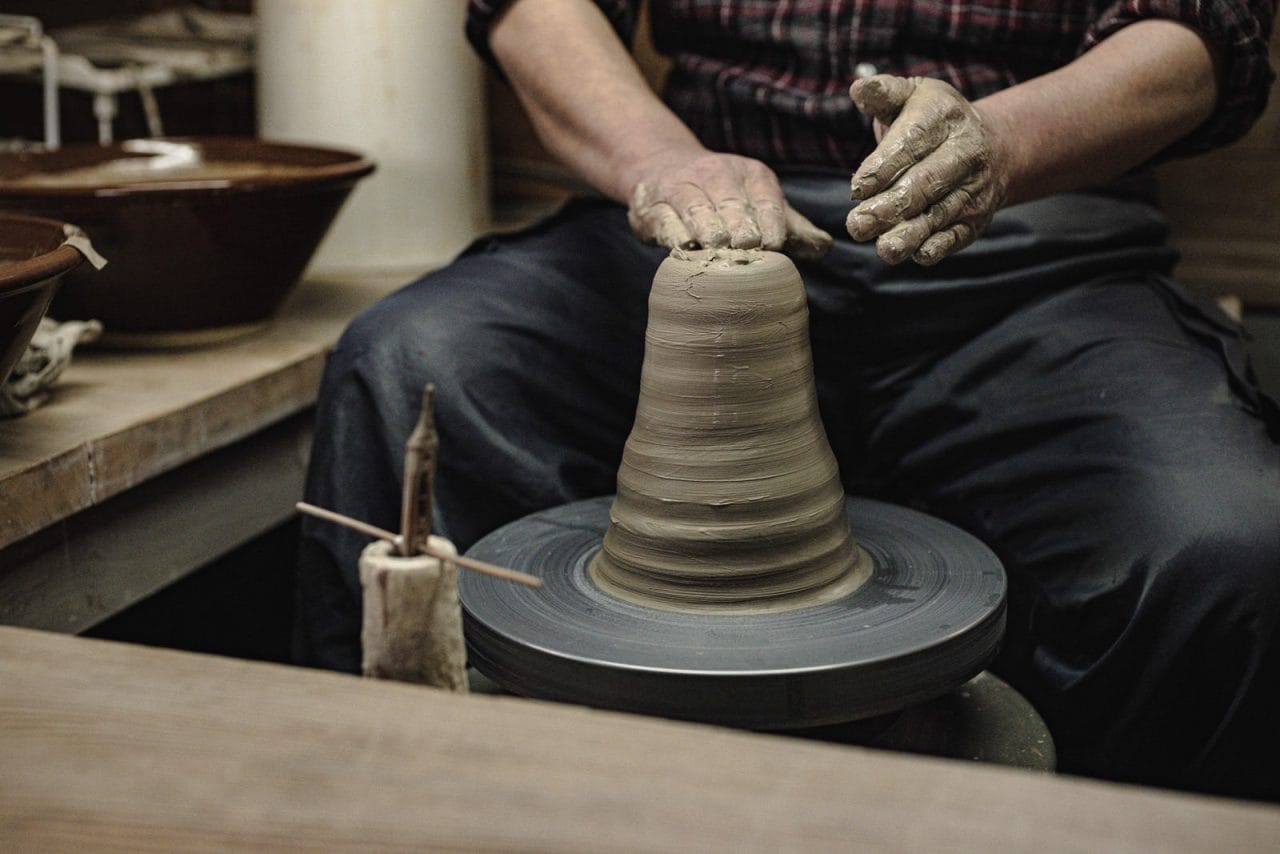
Japanese ceramics, known as "Tougei" (陶芸), are incredibly diverse. From rustic, earthy pottery to delicate, refined porcelain, there's a style for every taste. Each region in Japan has its own unique ceramic tradition, influenced by the local clay and history. Imagine holding a warm, handmade teacup in your hands. You can feel the texture of the clay and see the subtle variations in the glaze. This isn't just a cup; it's a piece of art with a story. Exploring Japanese pottery is like taking a journey through the country's regional identities, one exquisite piece at a time. Whether you're interested in simple everyday ware or elaborate artistic creations, Japanese ceramics offer a deep appreciation for beauty in form and function.
Lacquerware (漆器): Where Artistry Meets Everyday Elegance
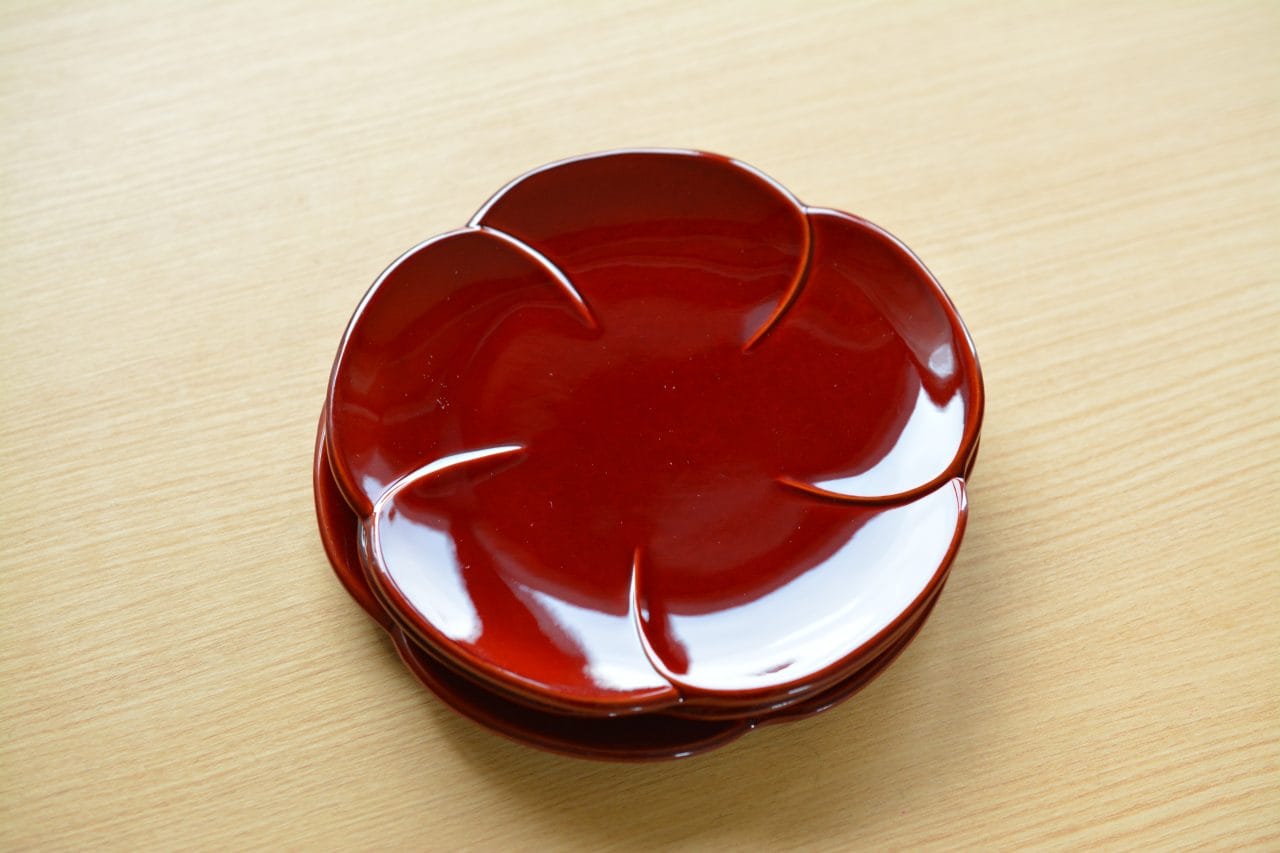
Lacquerware, or "Shikki" (漆器), is another jewel in the crown of Japanese crafts. Lacquer is a natural resin that is carefully applied in layers to wood, then polished to a lustrous finish. This process is time-consuming and requires great skill, often taking months or even years to complete a single piece. The result is breathtaking. Japanese lacquerware is known for its smooth, glossy surface and rich colors, often deep reds and blacks. It's not just beautiful to look at; it's also incredibly durable and practical for everyday use. From elegant bowls and trays to sophisticated boxes and furniture, lacquerware brings a touch of artistry and refinement to daily life. Owning a piece of Japanese lacquerware is like owning a piece of history and artistry that you can use and enjoy every day.
The Art of Dyeing (染物): Weaving Colors and Stories into Fabric
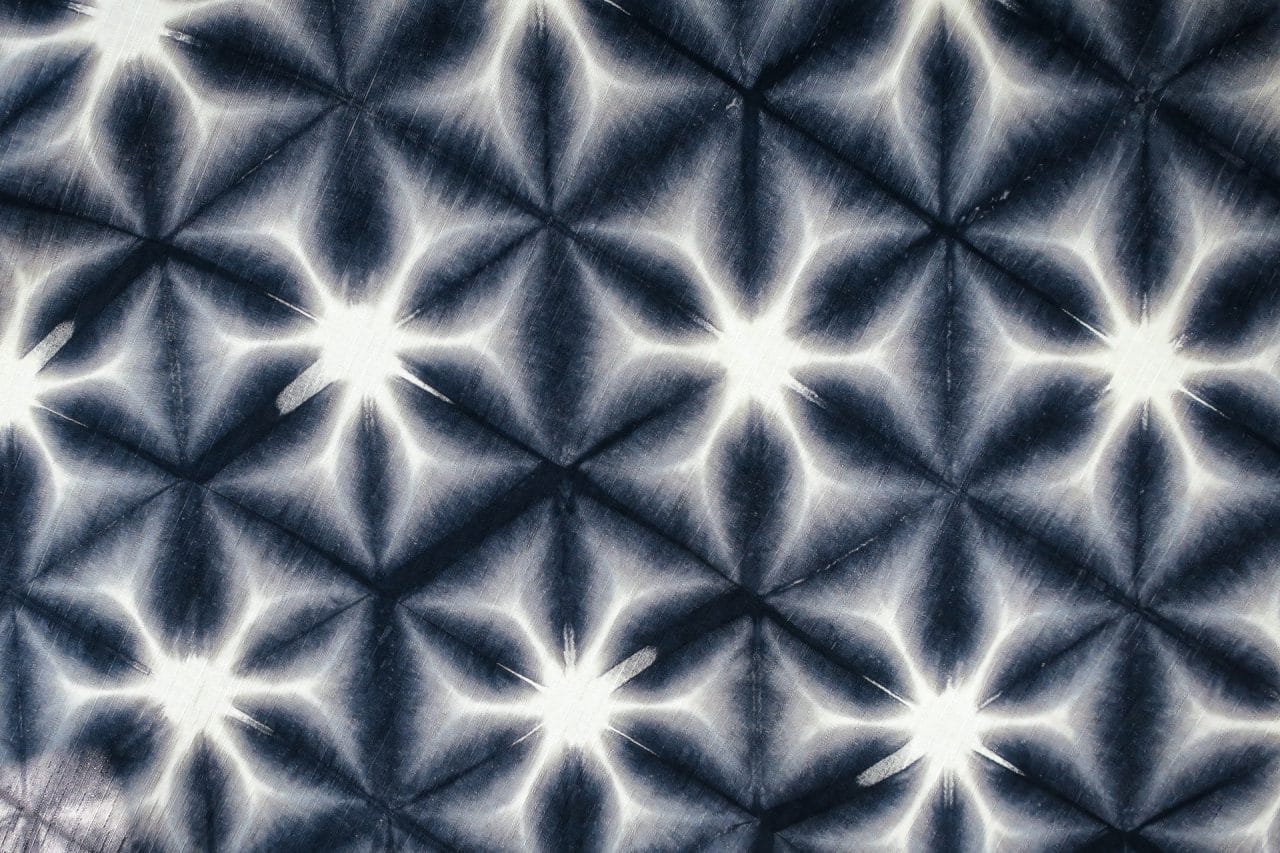
Japanese dyeing, or "Somemono" (染物), is a vibrant and expressive art form. Using natural dyes derived from plants, roots, and even insects, artisans create stunning colors and patterns on fabric. Indigo blue, in particular, has a special place in Japanese dyeing history and culture. From simple, everyday textiles to elaborate kimonos, dyeing techniques are used to create a wide range of beautiful fabrics. Some dyeing methods, like tie-dyeing (Shibori) and stencil-dyeing (Katazome), are incredibly intricate and require years of practice to master. These dyed fabrics are not just decorative; they often tell stories and reflect regional traditions. Wearing or using a piece of Japanese dyed fabric is like carrying a piece of Japanese history and artistry with you.
Finding Handmade Treasures: Where to Experience Ceramics, Lacquer & Dyeing in Japan
Want to experience the beauty of handmade Japan firsthand? Japan offers many opportunities to encounter these crafts. For ceramics, visit pottery towns like Mashiko in Tochigi Prefecture or Seto in Aichi Prefecture. These towns are home to numerous studios and shops where you can find unique pieces and even try your hand at pottery making. For lacquerware, explore areas like Wajima in Ishikawa Prefecture or Kyoto, known for their exquisite lacquerware traditions. Many workshops and stores offer demonstrations and sales. To discover the art of dyeing, consider visiting museums dedicated to textiles or exploring traditional craft centers throughout Japan. Local markets and craft fairs are also excellent places to find handmade treasures directly from artisans. Don't be afraid to venture beyond the big cities; the heart of handmade Japan often lies in smaller towns and rural areas.
Why Handmade Matters: Connecting with Japanese Culture Through Craftsmanship
In today's world of mass production, handmade crafts offer something truly special. They represent a connection to human skill, tradition, and the natural world. When you choose handmade, you're not just buying an object; you're supporting artisans and preserving cultural heritage. In Japan, craftsmanship is highly valued, and artisans dedicate their lives to perfecting their skills. This dedication and passion are reflected in every piece they create. By appreciating handmade ceramics, lacquerware, and dyed textiles, you gain a deeper understanding of Japanese culture and values. These crafts are tangible expressions of Japanese aesthetics, patience, and respect for materials. They offer a meaningful way to connect with the heart of Japan.
Conclusion: Embrace the Warmth of Handmade Japan on Your Next Visit
Handmade Japan is waiting to be discovered. From the earthy beauty of ceramics to the elegant sheen of lacquerware and the vibrant colors of dyed fabrics, these crafts offer a window into the soul of Japan. On your next visit, take the time to explore these traditions and find your own handmade treasure. Whether it's a simple teacup, a beautiful lacquer box, or a hand-dyed scarf, a piece of handmade Japan will be a lasting reminder of your journey and a connection to the country's rich cultural heritage. Embrace the warmth and beauty of Handmade Japan, and take home more than just a souvenir – take home a piece of Japanese heart and artistry.

