


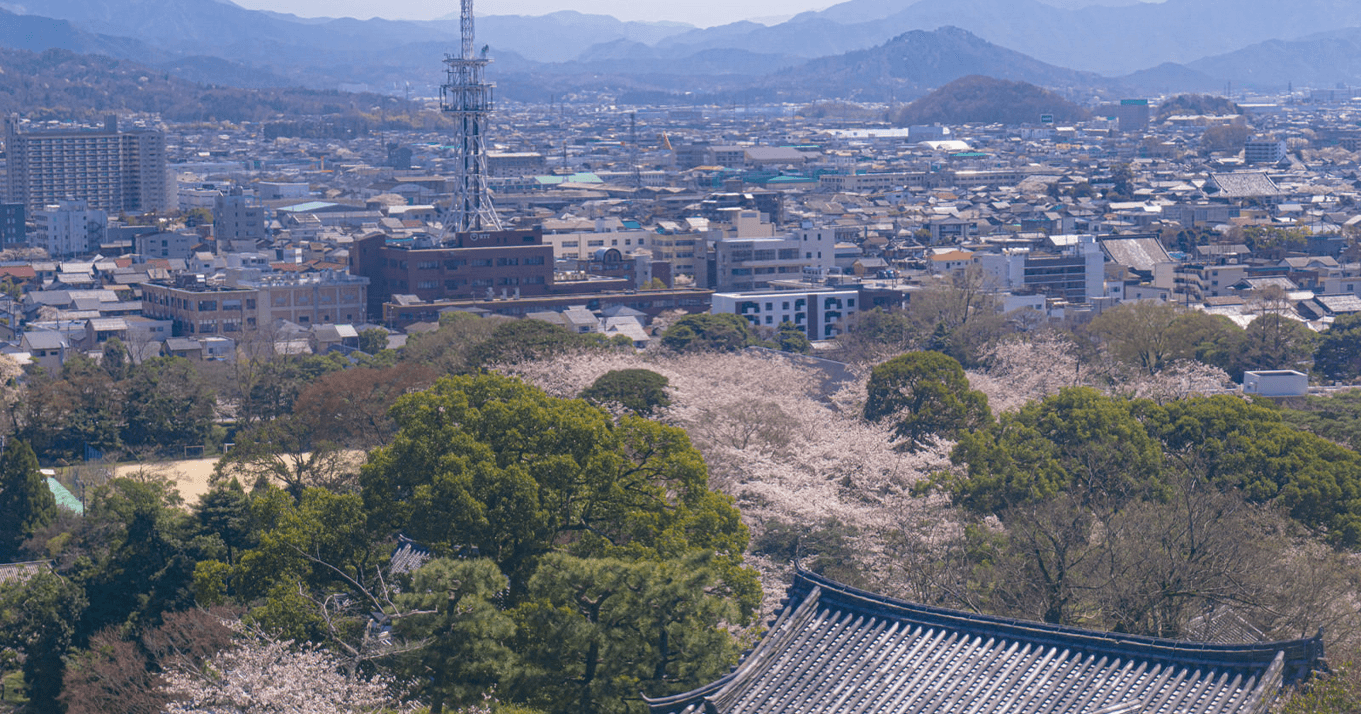


Japan is known for its beautiful nature and unique culture. Many people visit Japan to see famous places like Mt. Fuji and Tokyo. But there's another side of Japan that's deeply spiritual. This is found in its serene gardens, tranquil temples, and sacred shrines. These places offer a chance to step away from the busy world. You can find peace and connect with Japanese spirituality there.
Finding Peace in Japanese Gardens: More Than Just Green Spaces
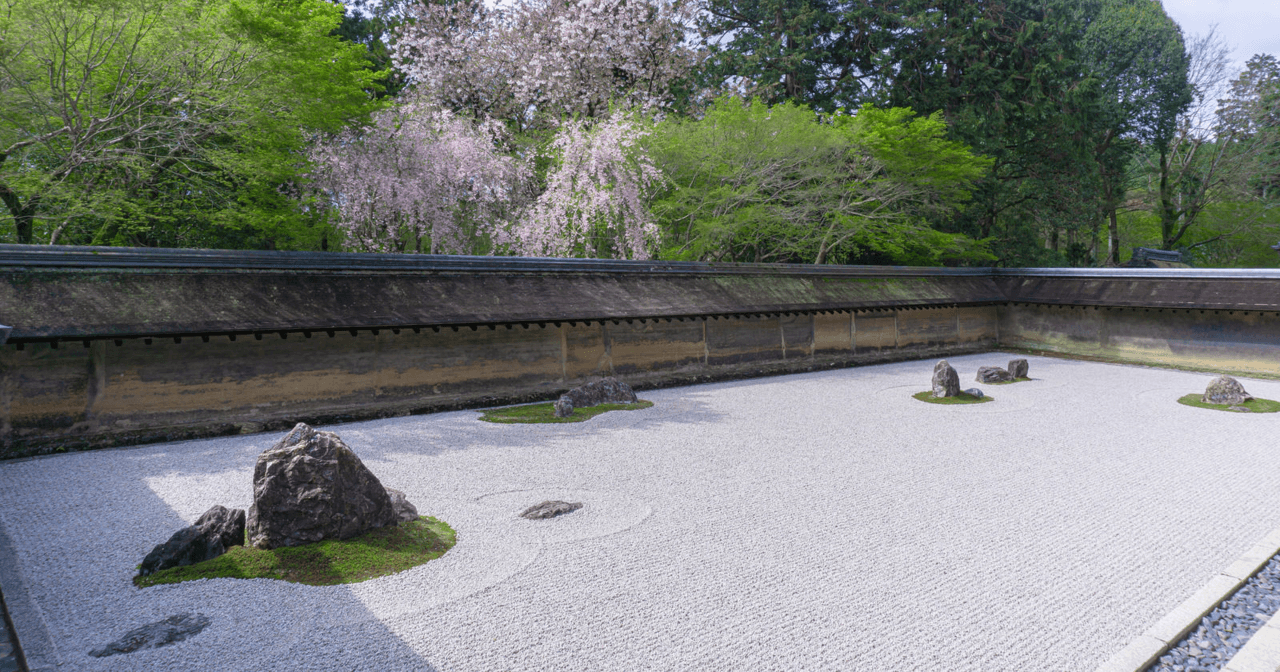
Japanese gardens are not just pretty parks. They are carefully designed spaces for meditation and reflection. Each element in a Japanese garden has a meaning. Rocks can represent mountains, and ponds can represent oceans. Walking through a garden, you might notice small details like the sound of water or the way sunlight filters through the trees. These sensory experiences are designed to calm your mind. Gardens like Kenrokuen in Kanazawa and Ryoanji Temple's rock garden in Kyoto are famous examples. They show how nature can be arranged to inspire peace and contemplation.
Temples of Tranquility: Exploring Japan's Sacred Buddhist Sites
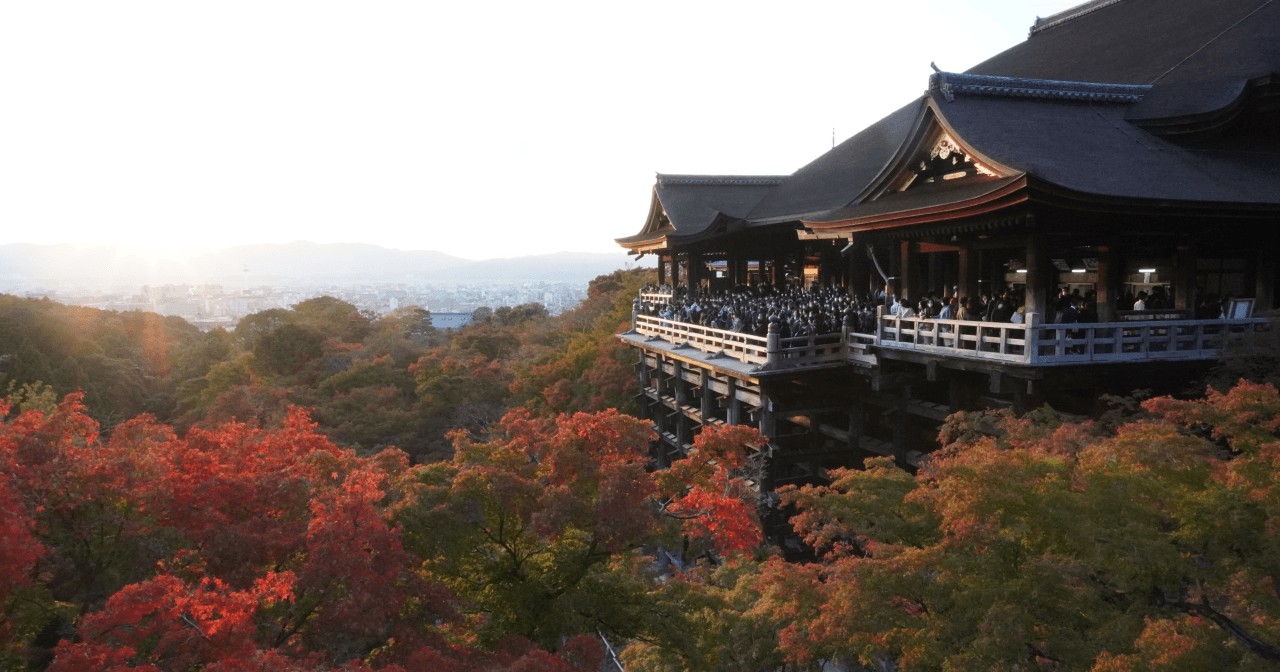
Temples in Japan are often located in quiet, natural settings. They are places of worship for Buddhism, which came to Japan many centuries ago. Temples are not just historical sites; they are active centers for spiritual practice. When you visit a temple, you might see people praying or monks performing rituals. Places like Todaiji in Nara, with its giant Buddha statue, and Kiyomizu-dera in Kyoto, with its wooden stage, are very impressive. Spending time in a temple can give you a sense of calm and a deeper understanding of Japanese spirituality. You can feel the history and the devotion in the air.
Shinto Shrines: Gateways to the Divine in Japan
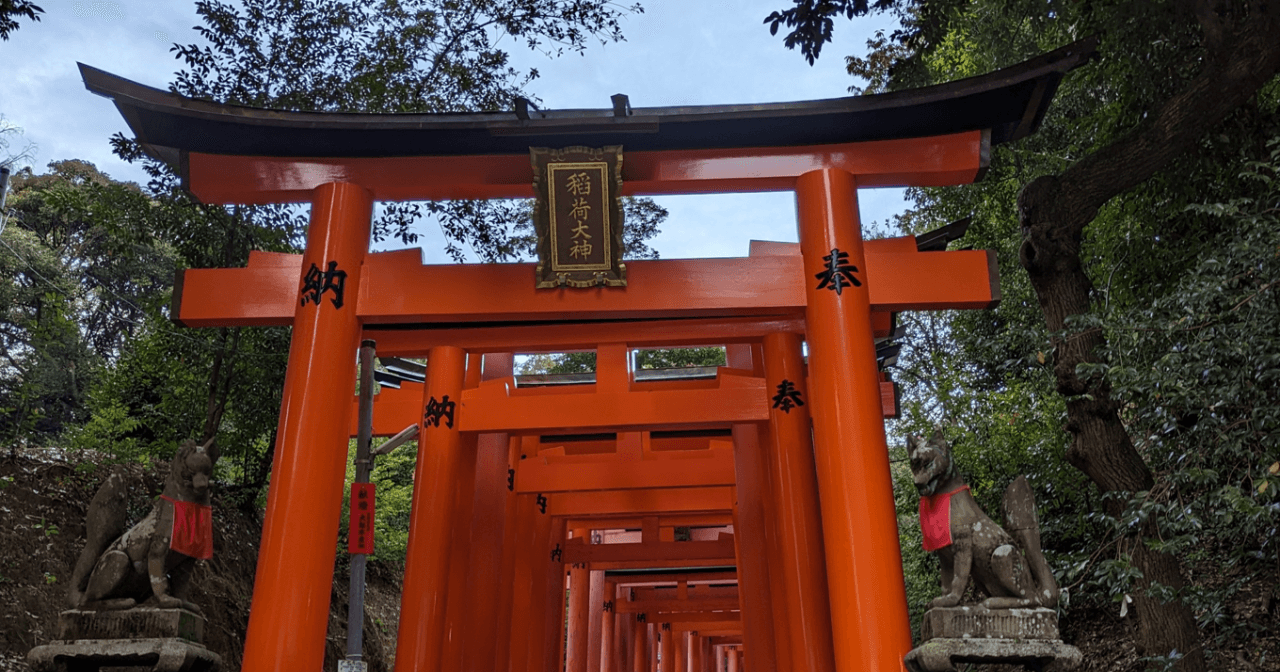
Shinto shrines are different from temples. They are related to Shinto, Japan's indigenous religion. Shinto is about nature and the many gods and spirits (kami) believed to live in the natural world. Shrines are often marked by a torii gate, which is a symbolic entrance separating the ordinary world from the sacred space of the shrine. Visiting a shrine can feel like stepping into a different atmosphere. You might see people clapping their hands to call the kami's attention or leaving offerings. Fushimi Inari Shrine in Kyoto, with its thousands of red torii gates, and Itsukushima Shrine in Hiroshima, famous for its floating torii gate, are iconic examples. Shrines offer a glimpse into Japan's ancient beliefs and its close connection to nature.
Garden, Temple, Shrine Hopping: A Spiritual Journey Itinerary
If you want to experience the spiritual side of Japan, consider a journey that includes gardens, temples, and shrines. A possible itinerary could start in Nara, visiting Todaiji Temple and Kasuga Taisha Shrine, famous for its stone lanterns. Then, travel to Kyoto to see Ryoanji Temple's rock garden and Kiyomizu-dera Temple, famous for its lanterns. From there, you could go to Hiroshima to see Itsukushima Shrine. For garden lovers, Kanazawa's Kenrokuen is a must-see. This kind of trip allows you to see different aspects of Japanese spirituality and culture. You can adjust the itinerary based on your interests and time. Traveling between these locations is easy with Japan's efficient public transportation.
Respectful Exploration: Etiquette Tips for Gardens, Temples, and Shrines
When visiting gardens, temples, and shrines, it’s important to be respectful. In gardens, walk quietly and appreciate the peace. Avoid loud talking. In temples and shrines, there are often specific customs. For example, at temples, you might see a large incense burner. Waving incense smoke towards yourself is said to be good for healing. At shrines, you often purify your hands and mouth at a water basin before approaching the main hall. When praying at a shrine, it's common to bow twice, clap twice, and bow again. It's always a good idea to observe what others are doing and follow their lead. Being mindful and respectful will enhance your experience and show appreciation for these sacred places.
Conclusion
Japanese gardens, temples, and shrines are more than just tourist spots. They are places where you can feel the deeper spirit of Japan. They offer a chance to find peace, reflect, and connect with nature and history. By exploring these spiritual locations, you can gain a richer understanding of Japanese culture and perhaps even find a sense of personal tranquility. So, when you plan your trip to Japan, be sure to include these serene and sacred sites in your itinerary. You will discover a different, more peaceful side of Japan.

