



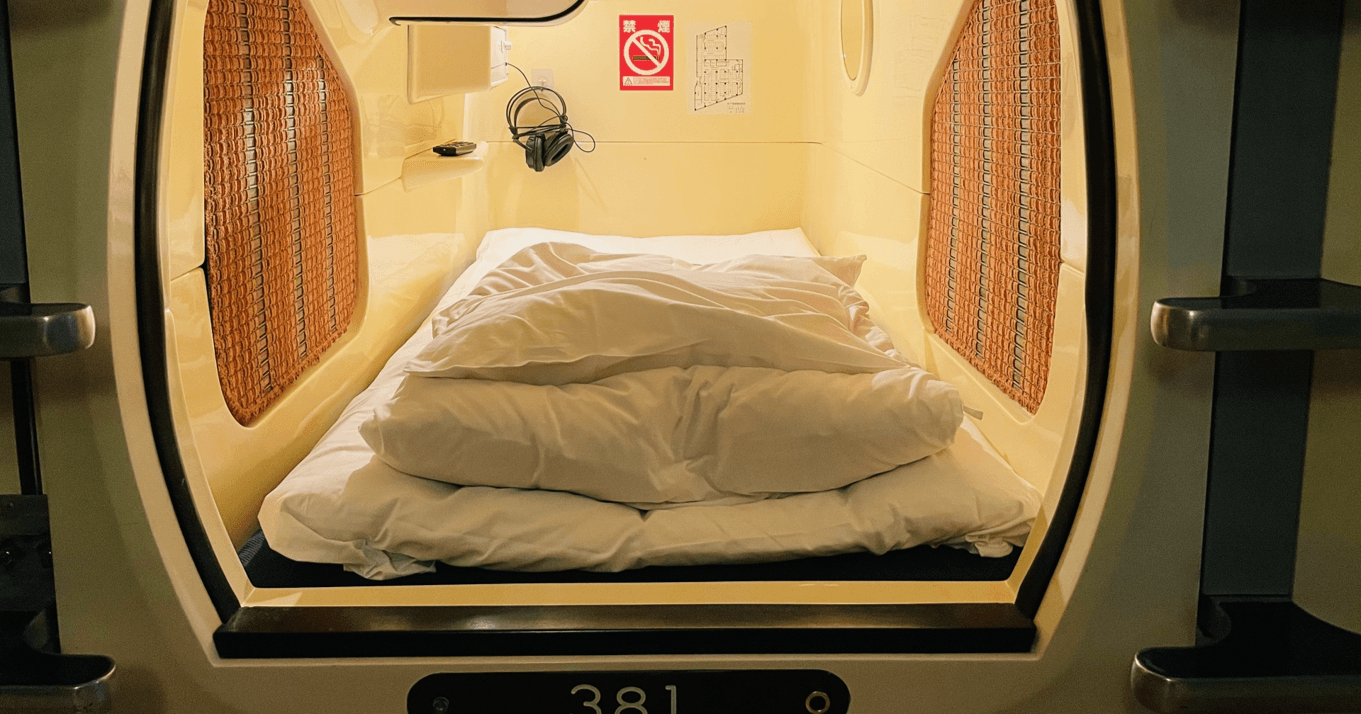




Have you ever wondered what the inside of a Japanese house looks like? Japanese houses, both traditional and modern, have unique layouts that reflect Japanese culture and lifestyle. Understanding these layouts can give you a deeper insight into Japanese daily life and values. Let’s take a peek inside!
What Makes Japanese House Layouts Unique?
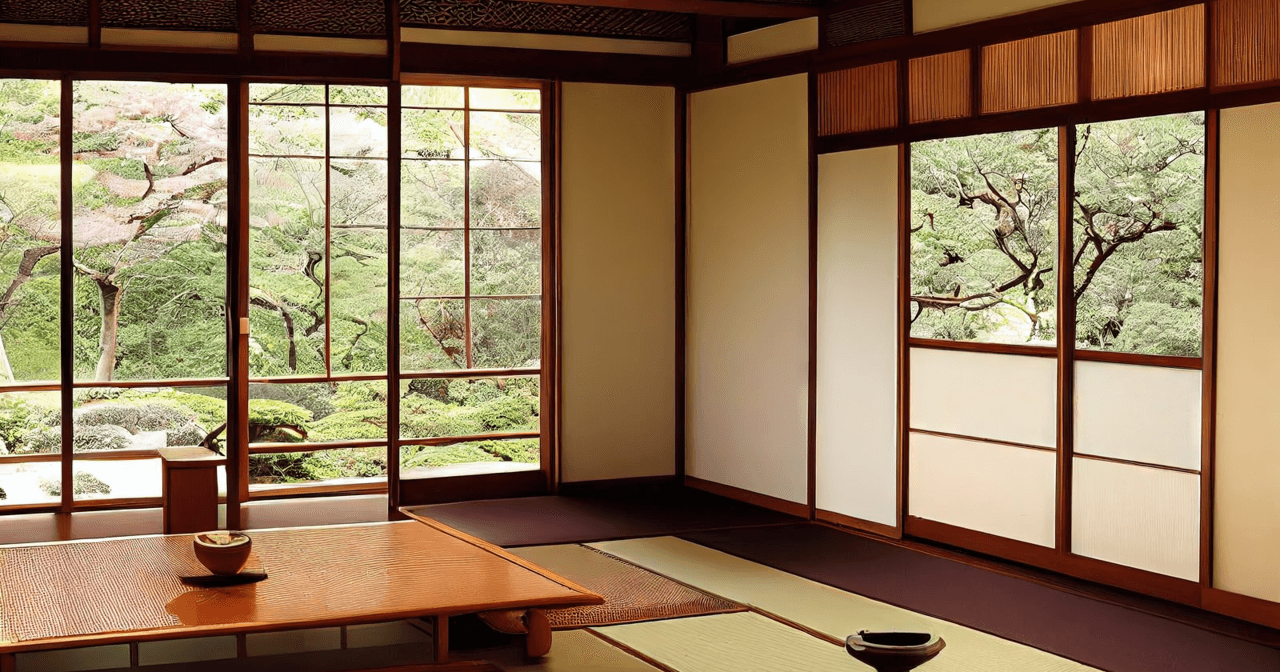
Japanese house layouts are different from Western layouts in several ways. One key difference is the concept of space. In Japan, limited land space has led to efficient and multi-functional designs. Japanese homes often prioritize flow and flexibility over fixed room divisions. Another unique aspect is the incorporation of nature. Traditional layouts aim to bring the outside in, connecting living spaces with gardens or natural light.
Key Features of Traditional Japanese House Layouts
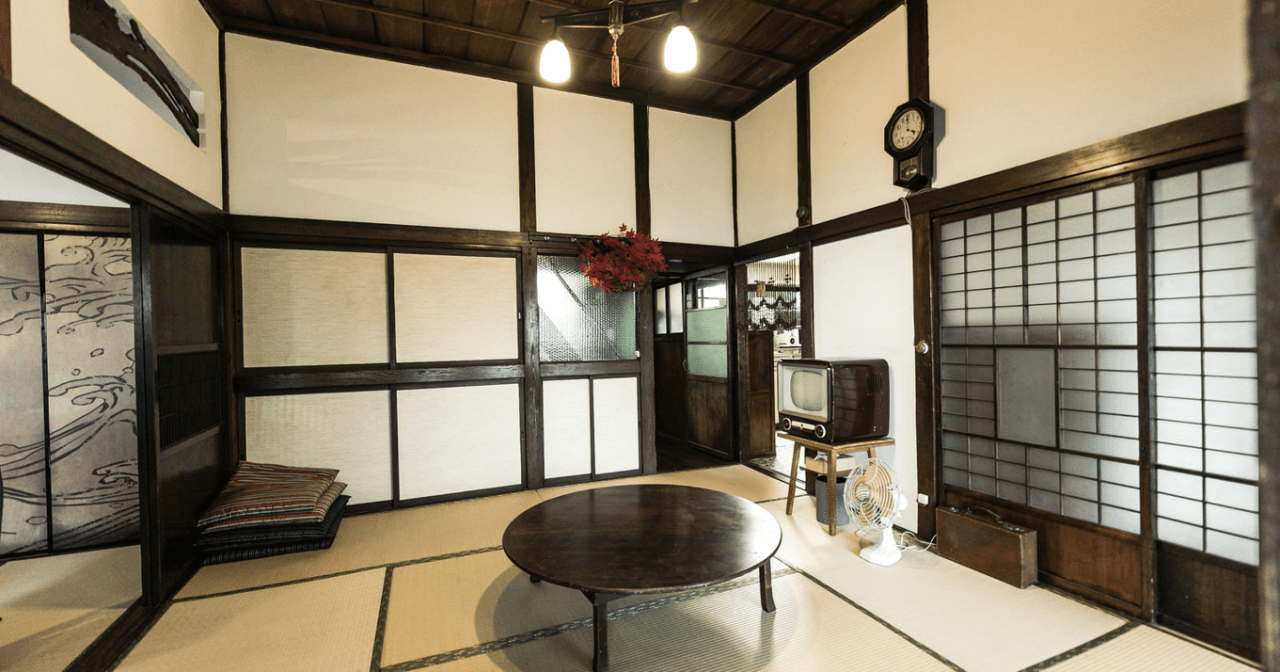
Traditional Japanese houses often feature several distinctive elements. Tatami mats are perhaps the most iconic. These woven straw mats serve as flooring and dictate room dimensions. Shoji screens, made of translucent paper and wood frames, are used as sliding doors and windows, diffusing light softly. Fusuma are opaque sliding doors that can divide or unite spaces, offering flexibility. A genkan, or entryway, is a lowered space where shoes are removed, marking the transition from outside to inside. Many traditional homes also include an engawa, a veranda-like space that connects the house to the garden.
Modern Japanese Apartments: Space-Saving Design
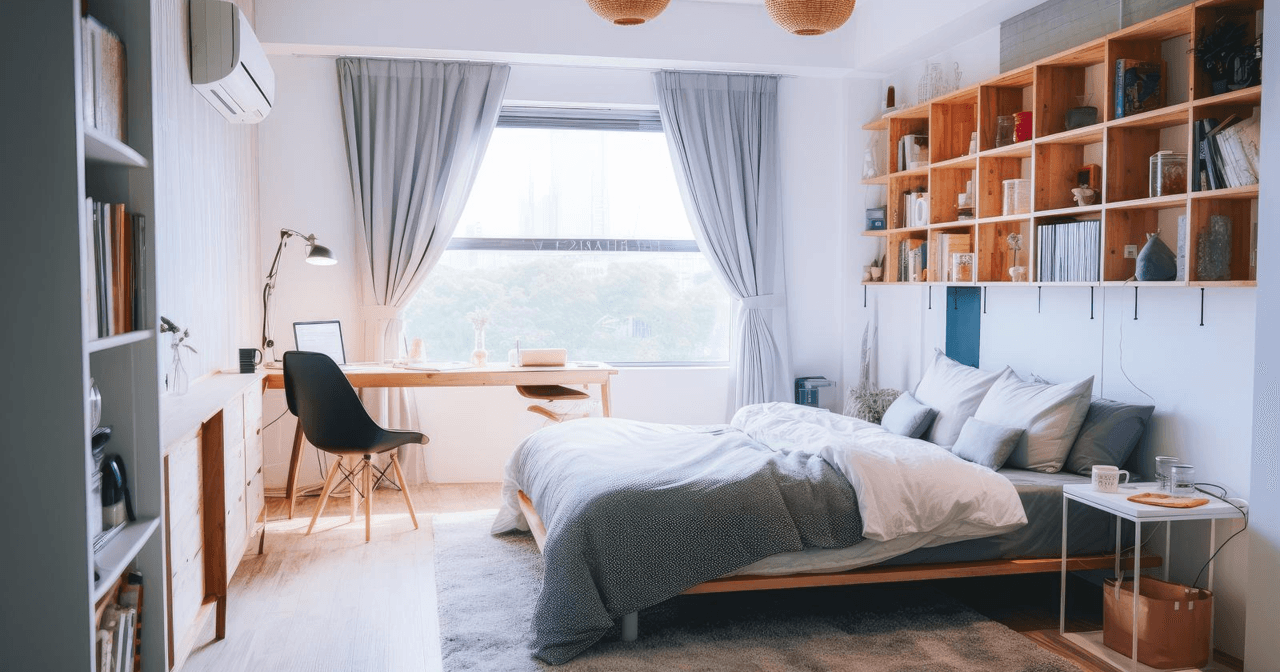
Modern Japanese apartments, especially in urban areas, often face the challenge of limited space. To overcome this, architects and designers have become masters of space-saving design. You will often find compact kitchens and bathrooms. Built-in storage is very common to maximize space and minimize clutter. Multi-functional furniture, like sofa beds and foldable tables, are also popular. Despite the smaller size, modern apartments still try to incorporate natural light and a sense of openness whenever possible. Balconies, though small, are common and provide valuable outdoor space.
The "LDK" - The Heart of Contemporary Japanese Homes
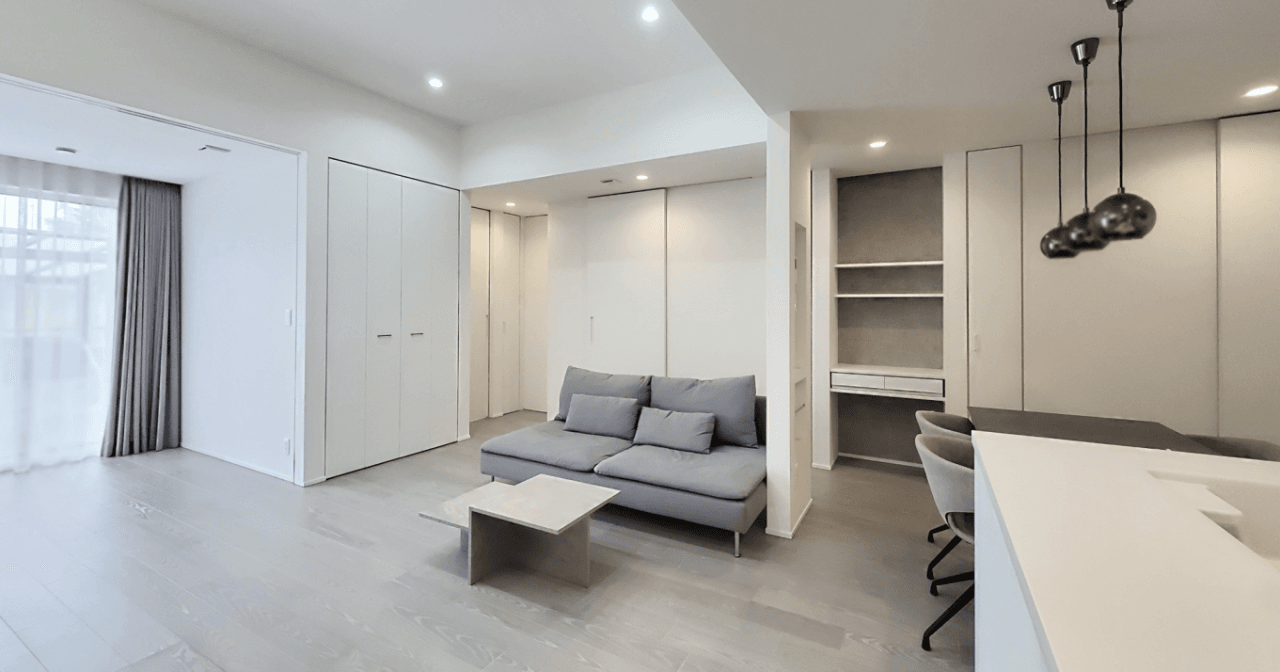
The "LDK," which stands for Living, Dining, Kitchen, is a central feature of many contemporary Japanese homes. This open-plan layout combines these three areas into one integrated space. The LDK concept reflects changing lifestyles, emphasizing family interaction and a more casual style of living. It’s a departure from traditional layouts with separate, smaller rooms. The LDK becomes the central hub of the home where families cook, eat, relax, and spend time together. This design promotes a sense of togetherness and efficient use of space.
Cultural Influences on House Layouts
Cultural values deeply influence Japanese house layouts. The emphasis on harmony with nature is reflected in the incorporation of gardens and natural elements. The importance of family is seen in the central role of the LDK in modern homes and adaptable spaces in traditional homes. Privacy and social interaction are both considered. Sliding doors and screens allow for flexible space division, balancing private and communal areas. The practice of removing shoes at the genkan highlights cleanliness and the separation of outside and inside, reflecting Japanese cultural values of purity and respect for the home.
Conclusion
Exploring Japanese house layouts offers a fascinating glimpse into Japanese culture and ingenuity. From traditional tatami rooms to space-saving modern apartments and the central LDK, each element tells a story about Japanese values, lifestyles, and adaptation to their environment. Whether you are interested in architecture, culture, or simply curious about daily life in Japan, understanding house layouts provides a valuable perspective. Next time you have a chance to see inside a Japanese home, you'll have a deeper appreciation for the thought and tradition behind its design.

