




When foreigners hear the word "teriyaki," they might envision a sweet, sticky sauce often used in Asian cuisine. However, the Japanese dish "teriyaki" has a different flavor profile and cooking style. By exploring the differences between these interpretations, we can appreciate and enjoy both versions of teriyaki, each offering its own unique taste and charm.
The Global Perception of Teriyaki
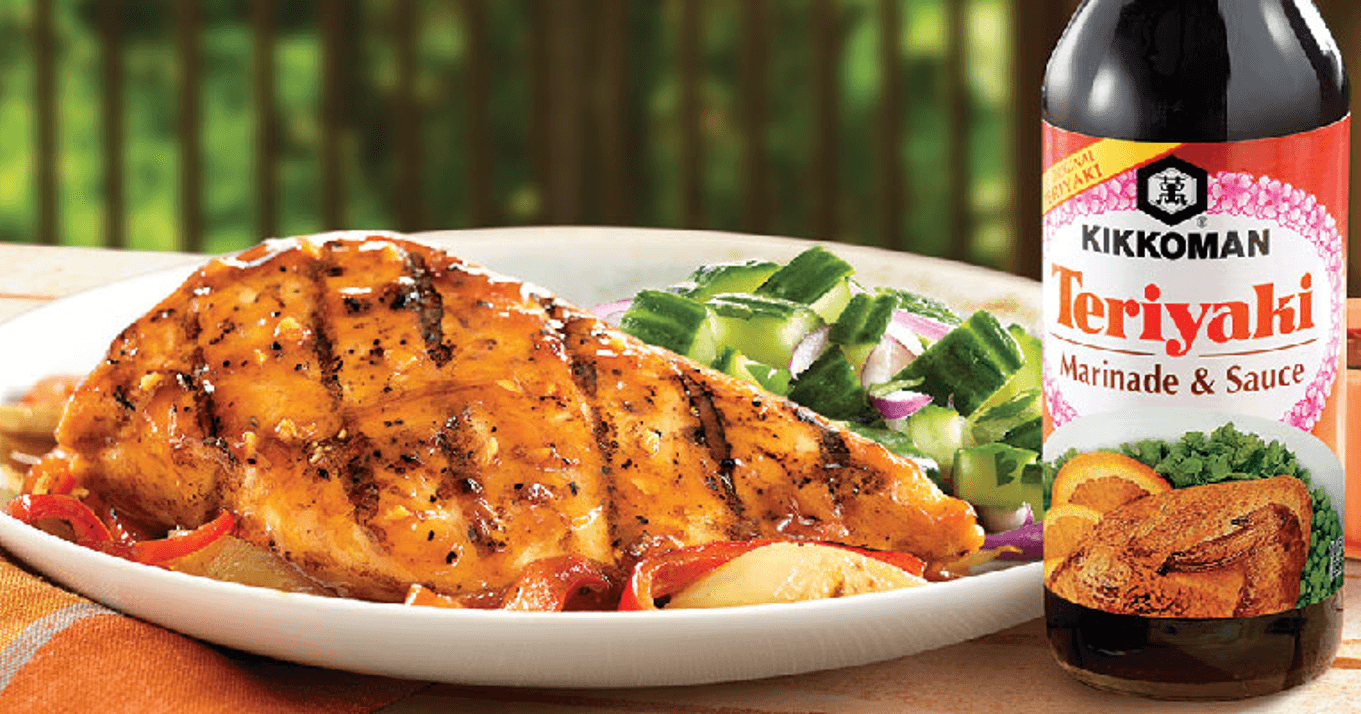
Across the globe, "teriyaki" is often used to describe dishes made with teriyaki sauce, a versatile and highly popular condiment. Widely embraced by international cuisine, teriyaki sauce is now produced by numerous companies, offering a variety of flavors to suit different palates and cooking styles. While it's widely recognized as part of Asian cuisine, fewer people may be aware that teriyaki's origins trace back to Japan.
Kikkoman is a Japanese soy sauce manufacturer.
The Authentic Japanese Teriyaki

Teriyaki is a traditional Japanese cooking style where fish or meat is grilled while being coated in a rich glaze made from soy sauce, sugar, and sake or mirin. The sugar in the sauce gives the dish its signature glossy appearance, which is reflected in its name—"teriyaki," derived from the Japanese words "teri" (shine) and "yaki" (grill).
Key Differences Between Japanese Teriyaki and the International Version
Teriyaki, a dish beloved worldwide, has a distinctive character in Japan. Here are three key differences between Japanese teriyaki and its international interpretations:
- Use Homemade Sauces rather than Commercial Sauces
In Japan, teriyaki sauce is rarely bought pre-made. Families often prepare it from scratch, creating a simpler and less sweet flavor compared to the commercial sauces popular abroad. You'll more likely encounter teriyaki sauce in fast-food items like teriyaki burgers than in traditional Japanese dishes. - Cooking Method: Blending Sauce While Grilling
In Japan, teriyaki sauce is cooked together with fish or meat in a frying pan, coating them as they are grilled. In international styles, teriyaki sauce is sometimes poured over the dish after cooking; however, in Japan, it is rare to add the sauce as a finishing touch. - Simplicity in Ingredients
Traditional Japanese teriyaki sauce uses a straightforward recipe, avoiding additions like garlic or ginger. When ginger is included, it evolves into an entirely separate dish known as shōgayaki (ginger stir-fried meat), celebrated as one of the most popular dishes in Japan.
Introduction of Related Japanese Terms: 照り焼き
Related Japanese Terms
照り焼き
| Japanese (Kanji) | 照り焼き |
| Japanese (Hiragana) | てりやき |
| Pronunciation | Te-ri-ya-ki |
| English | Teriyaki |
| Details | 照り means 'glossy,' and 焼き means 'grilling.' When the meat, marinated in a sweet and savory sauce, is grilled, its surface glistens, which is why it's called "teriyaki" in Japan. |
Conclusion
From its origins in Japan to its transformation into an international favorite, teriyaki showcases the beauty of culinary evolution. While global interpretations bring unique twists to the table, the authentic Japanese method retains its simplicity and depth, emphasizing the harmony of flavors. Whether you savor teriyaki at a local izakaya in Japan or enjoy it as a topping for fast-food abroad, understanding its roots deepens your appreciation for this iconic dish.

